Join Us in Co-Designing the AI Adoption Network
Safely. At Scale.
Through Real-World Use Cases.
Join Us in Co-Designing the AI Adoption Network
Safely. At Scale.
Through Real-World Use Cases.
Join a growing community of practitioners, policymakers, and innovators working to ensure AI delivers real-world impact, safely and at scale.
Join a growing community of practitioners, policymakers, and innovators working to ensure AI delivers real-world impact, safely and at scale.
Co-Design The Network With Us
Co-Design The Network With Us
Join Us in
Co-Designing the AI Adoption Network
Safely. At Scale.
Through Real-World Use Cases.
Safely. At Scale.
Through Real-World Use Cases.
Join a growing community of practitioners, policymakers, and innovators working to ensure AI delivers real-world impact, safely and at scale.
Co-Design The Network With Us
Co-Design The Network With Us
From Global Safety to Scalable Impact
From Global Safety to Scalable Impact
The India AI Impact Summit builds on a global progression, from Bletchley Park’s focus on safety in 2023, to institutional frameworks in Seoul in 2024, and concrete action in Paris in 2025.
The India AI Impact Summit builds on a global progression, from Bletchley Park’s focus on safety in 2023, to institutional frameworks in Seoul in 2024, and concrete action in Paris in 2025.
Now, the focus shifts to what matters most: safe and scalable impact, how AI can meaningfully improve lives, expand human capabilities, and serve people and societies equitably.
Now, the focus shifts to what matters most: safe and scalable impact, how AI can meaningfully improve lives, expand human capabilities, and serve people and societies equitably.
Lessons from safe AI adoption at scale, drawn from 1,000+ use cases, deep-dive workshops across 25 countries, and ongoing conversations with innovators working on safeguards, languages, AI-ready data, and more.
Join us at the AI Impact Summit, the first major global AI summit in the Global South.New Delhi · 19–20 February 2026
Lessons from safe AI adoption at scale, drawn from 1,000+ use cases, deep-dive workshops across 25 countries, and ongoing conversations with innovators working on safeguards, languages, AI-ready data, and more.
Read Our Article Published By Carnegie India
Read Our Article Published By Carnegie India
Join us at the AI Impact Summit, the first major global AI summit in the Global South.
New Delhi · 19–20 February 2026
Join us at the AI Impact Summit, the first major global AI summit in the Global South.
New Delhi · 19–20 February 2026
Join us at the AI Impact Summit, the first major global AI summit in the Global South.
New Delhi · 19–20 February 2026
Together with Our Partners
Together with Our Partners

UNDP
UNDP
UNDP
AI HUB
AI HUB
AI HUB

GATES FOUNDATION
GATES FOUNDATION
GATES FOUNDATION

CARNEGIE INDIA
CARNEGIE INDIA
ORF INDIA
ORF INDIA
CARNEGIE INDIA
ORF INDIA
AI Adoption Is Harder Than Invention
AI Adoption Is Harder Than Invention
This is not a technology problem alone. It is a design challenge at the level of systems.
This is not a technology problem alone. It is a design challenge at the level of systems.
AI adoption is proving harder than invention, just as it was for electricity. Real value emerges through diffusion: widespread, contextual adoption that requires complementary shifts in infrastructure, workflows, institutions, governance, and mindsets.
Join us at the AI Impact Summit, the first major global AI summit in the Global South.New Delhi · 19–20 February 2026
AI adoption is proving harder than invention, just as it was for electricity. Real value emerges through diffusion: widespread, contextual adoption that requires complementary shifts in infrastructure, workflows, institutions, governance, and mindsets.
What unlocks adoption in one context may fail in another. These challenges are shared by nearly 1.5 billion people navigating remoteness, constrained resources, climate vulnerability, and limited digital infrastructure.
Join us at the AI Impact Summit, the first major global AI summit in the Global South.New Delhi · 19–20 February 2026
What unlocks adoption in one context may fail in another. These challenges are shared by nearly 1.5 billion people navigating remoteness, constrained resources, climate vulnerability, and limited digital infrastructure.
AI Adoption Needs Co-Architecting
AI Adoption Needs Co-Architecting
Scaling AI is not about one breakthrough. It is about aligning systems, contexts, and people.
Scaling AI is not about one breakthrough. It is about aligning systems, contexts, and people.
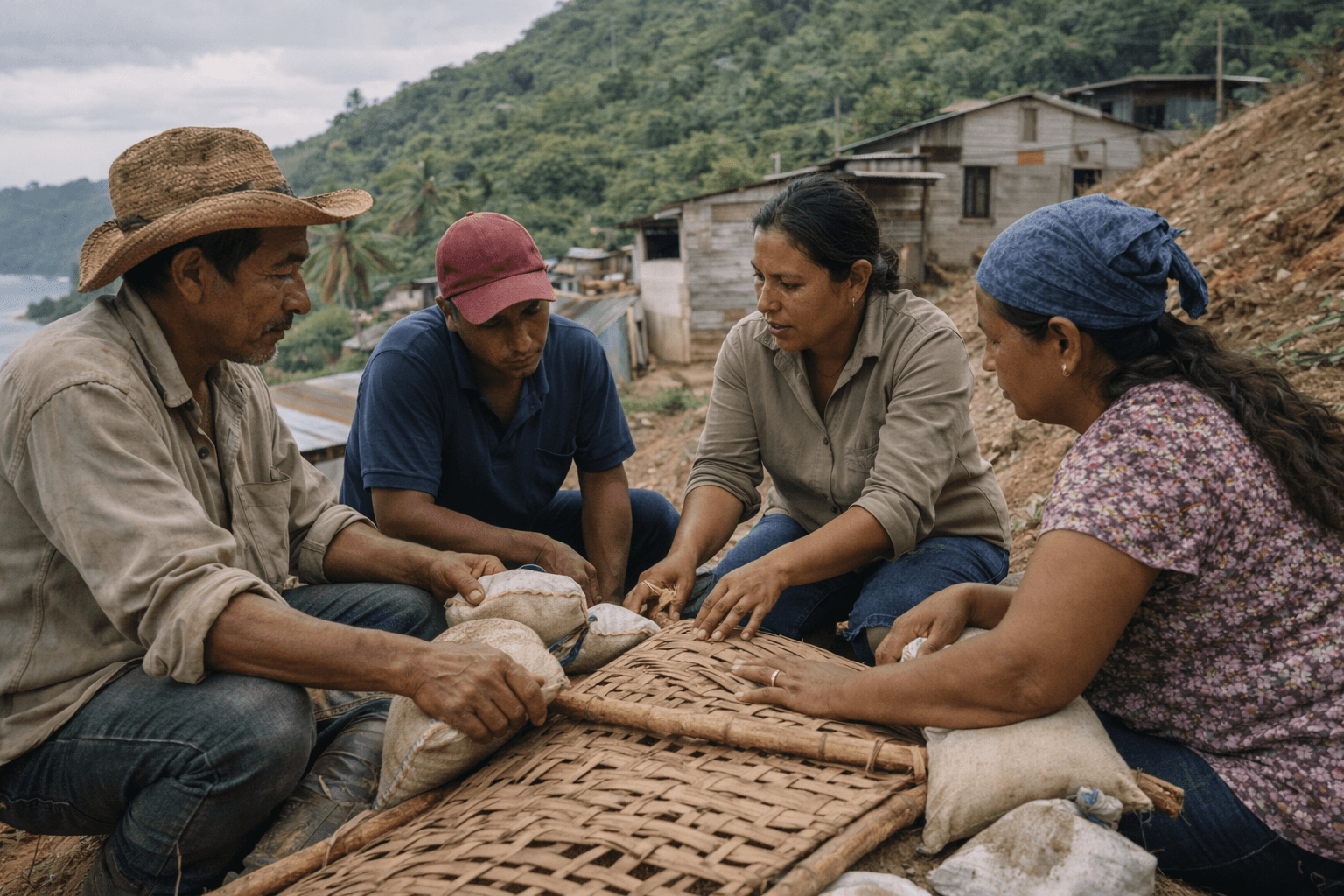
Context Shapes Possibility
Across the Global South, shared constraints, from remoteness to climate vulnerability, demand solutions grounded in lived reality.
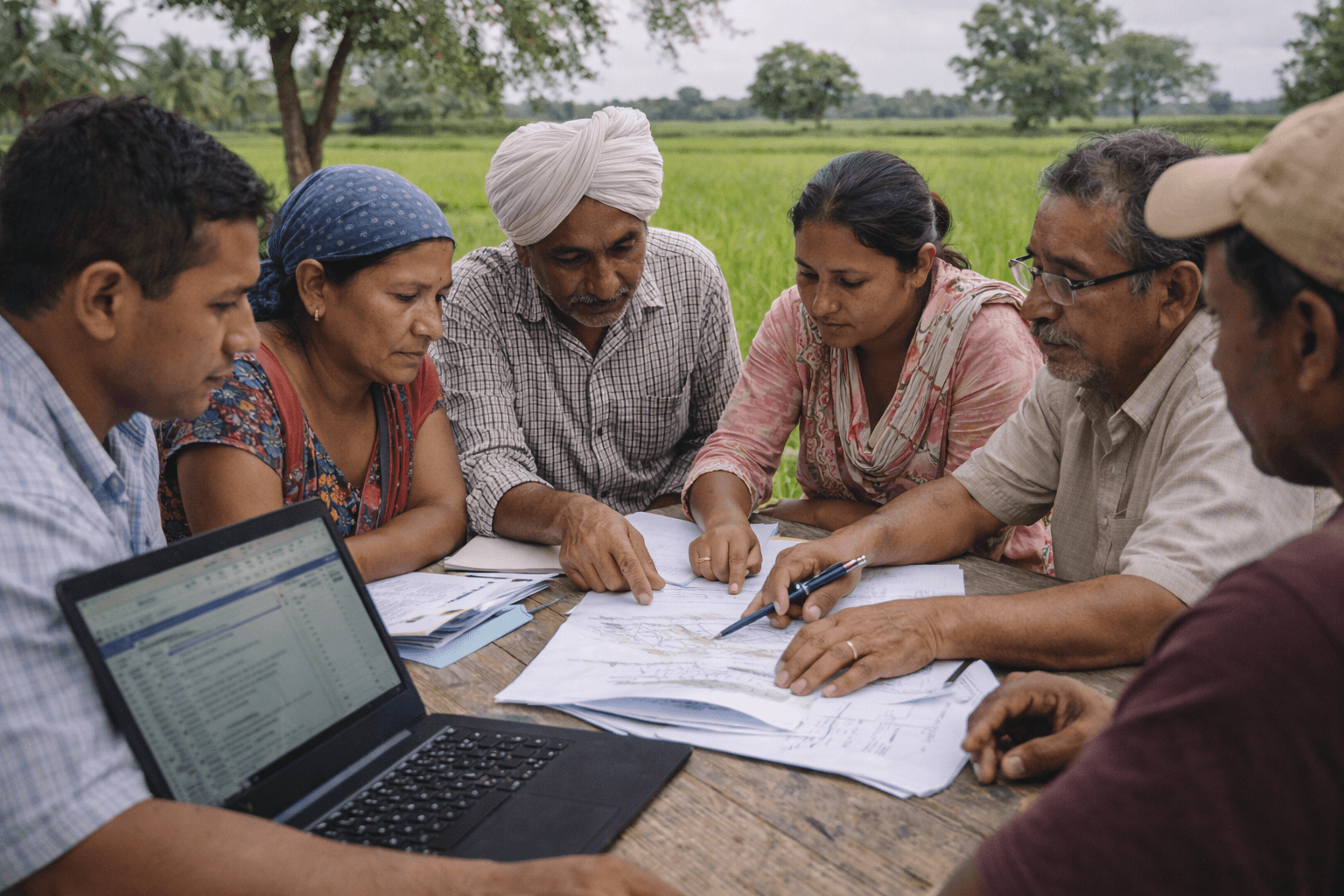
Design With, Not For
The Use Case Adoption Network invites innovators to become co-architects, shaping frameworks that reflect real-world complexity.
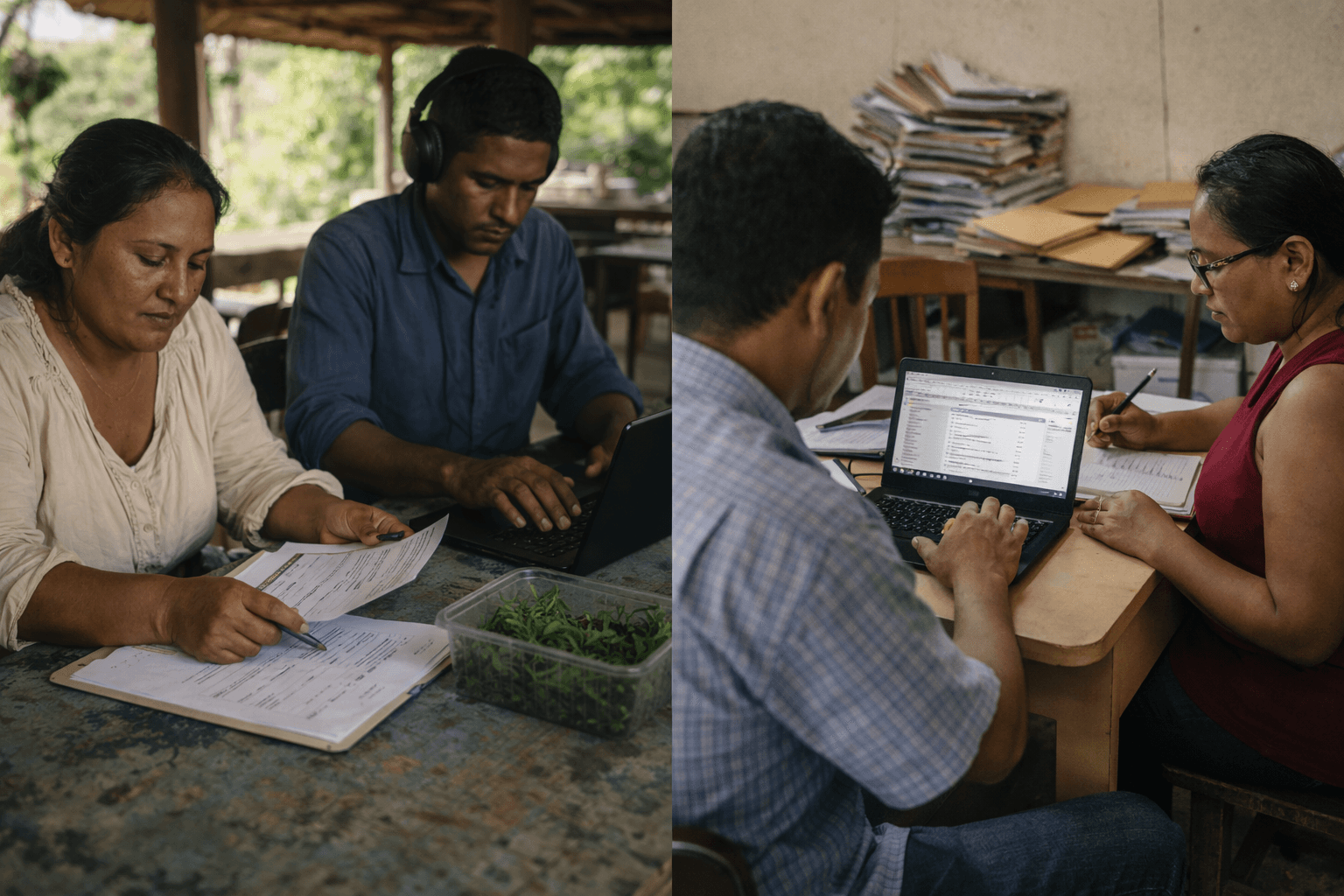
Horizontals Are Not Universal
Safeguards, language models, data pipelines, and compute unlock adoption differently across purpose, culture, and geography.
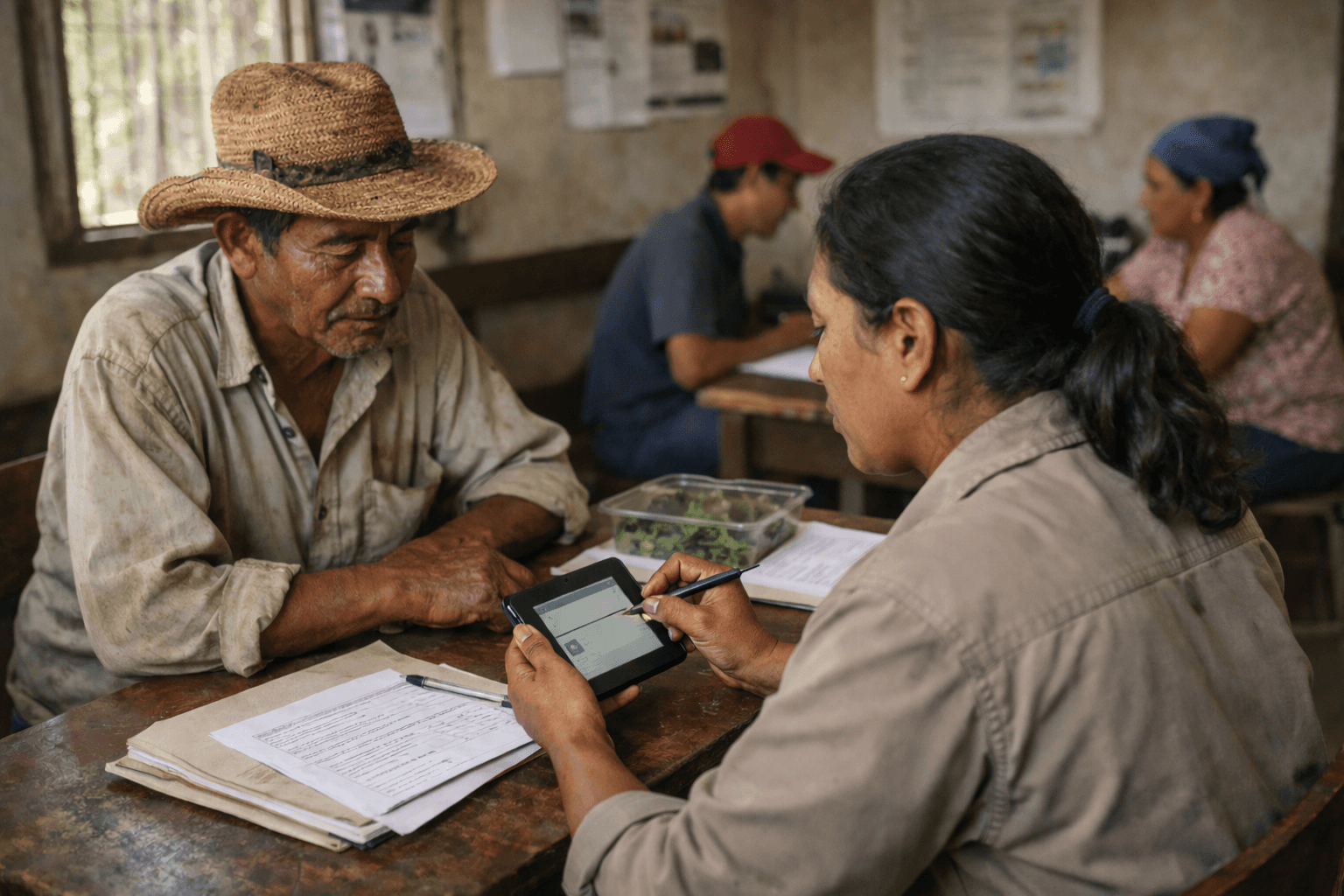
Diffusion Creates Impact
Real value emerges not when AI is deployed, but when it diffuses into everyday workflows, institutions, and decision-making.

This Is a Movement
Your voice will inform the AI Impact Summit agenda, connect you with peers, and unlock cross-sector collaboration.
Context Shapes Possibility
Across the Global South, shared constraints, from remoteness to climate vulnerability, demand solutions grounded in lived reality.
Design With, Not For
The Use Case Adoption Network invites innovators to become co-architects, shaping frameworks that reflect real-world complexity.
Horizontals Are Not Universal
Safeguards, language models, data pipelines, and compute unlock adoption differently across purpose, culture, and geography.
Diffusion Creates Impact
Real value emerges not when AI is deployed, but when it diffuses into everyday workflows, institutions, and decision-making.
This Is a Movement
Your voice will inform the AI Impact Summit agenda, connect you with peers, and unlock cross-sector collaboration.
Context Shapes Possibility
Across the Global South, shared constraints, from remoteness to climate vulnerability, demand solutions grounded in lived reality.
Design With, Not For
The Use Case Adoption Network invites innovators to become co-architects, shaping frameworks that reflect real-world complexity.
Horizontals Are Not Universal
Safeguards, language models, data pipelines, and compute unlock adoption differently across purpose, culture, and geography.
Diffusion Creates Impact
Real value emerges not when AI is deployed, but when it diffuses into everyday workflows, institutions, and decision-making.
This Is a Movement
Your voice will inform the AI Impact Summit agenda, connect you with peers, and unlock cross-sector collaboration.
Context Shapes Possibility
Across the Global South, shared constraints, from remoteness to climate vulnerability, demand solutions grounded in lived reality.
Design With, Not For
The Use Case Adoption Network invites innovators to become co-architects, shaping frameworks that reflect real-world complexity.
Horizontals Are Not Universal
Safeguards, language models, data pipelines, and compute unlock adoption differently across purpose, culture, and geography.
Diffusion Creates Impact
Real value emerges not when AI is deployed, but when it diffuses into everyday workflows, institutions, and decision-making.
This Is a Movement
Your voice will inform the AI Impact Summit agenda, connect you with peers, and unlock cross-sector collaboration.
Join Us in Co-designing the AI Adoption Network
Join Us in Co-designing the AI Adoption Network
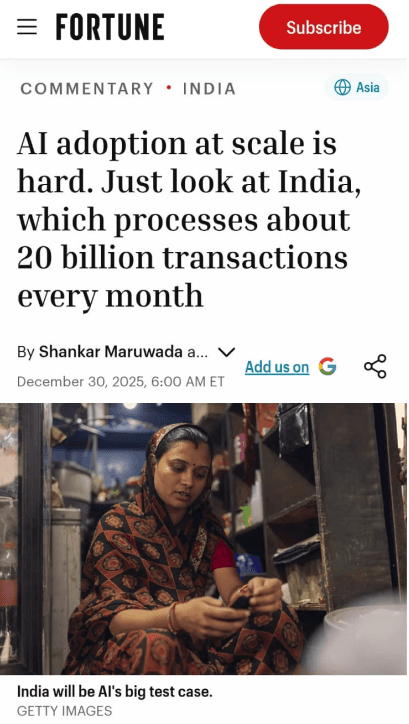
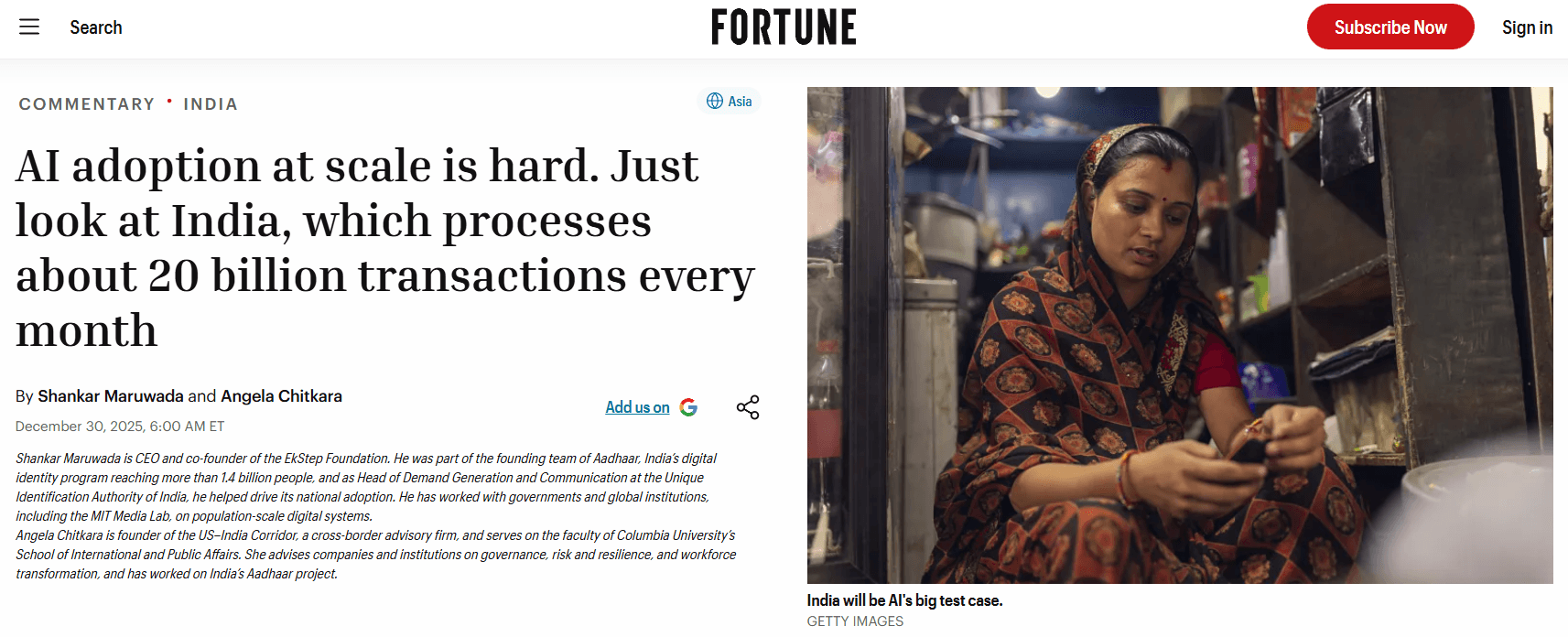
AI Adoption at Population Scale,
by Shankar Maruwada and Angela Chitkara
AI Adoption at Population Scale,
by Shankar Maruwada and Angela Chitkara
Read the Fortune Article
Read the Fortune Article

What is a Use Case Adoption Framework (UCAF)?
A use case is a real-world, repeatable application of AI that meets a clear user need and delivers measurable societal value. It goes beyond pilots or prototypes by showing how AI improves outcomes for people, systems, or communities in ways that can be sustained and scaled responsibly.
As AI is rapidly evolving, the real friction lies not in building technology but in ensuring safe impact and adoption at-scale, beyond early pilots. People+ai is stewarding the Use Case Adoption Framework to bridge the gaps faced during adoption.
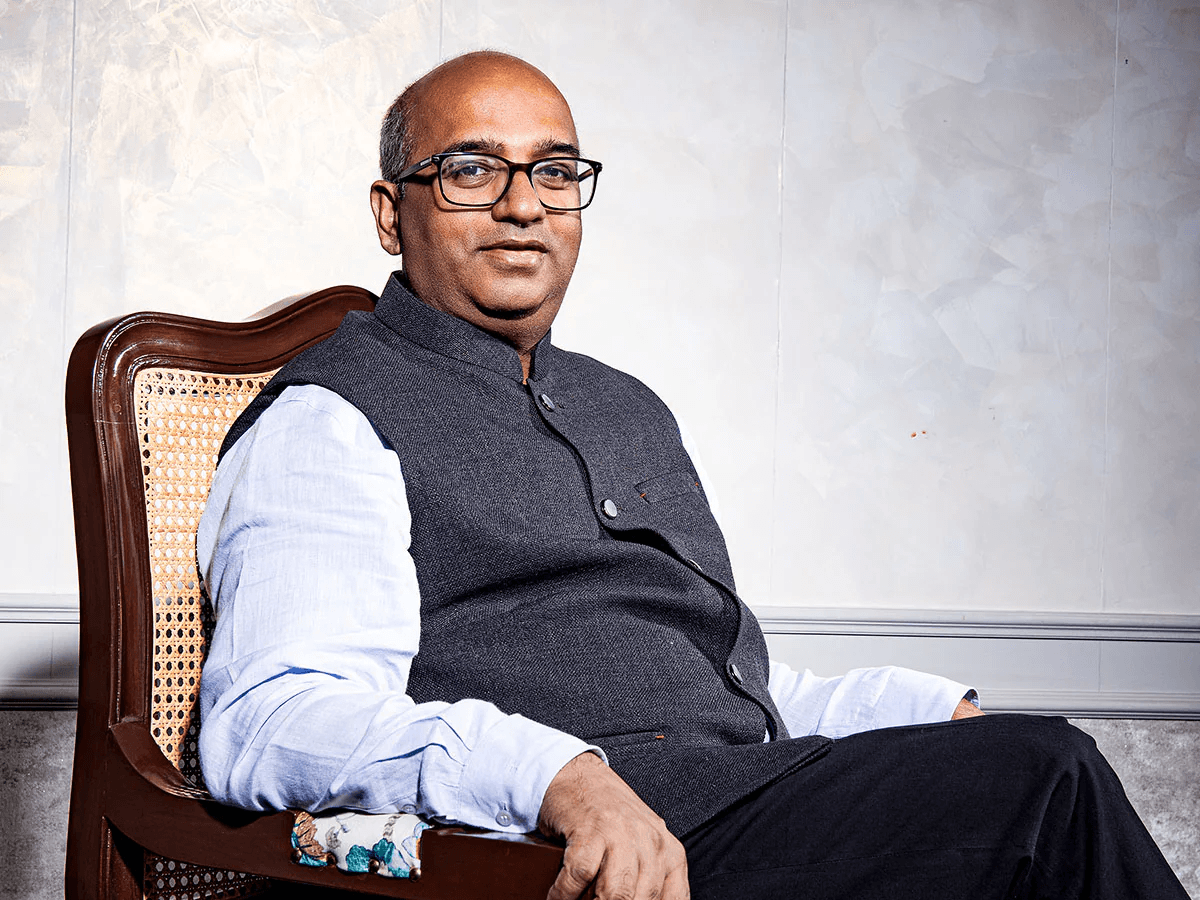
The AI Impact Summit places adoption at the centre of the global AI agenda—moving the conversation from innovation to diffusion and real-world outcomes. Through the IndiaAI Mission, we are expanding access to foundational AI infrastructure, including affordable compute at scale, while platforms like Bhashini are enabling multilingual AI adoption across India. The next phase of progress depends on collaborative networks—bringing governments, practitioners, researchers, and enterprises together to shape what responsible, scalable AI adoption should be, what it can achieve across diverse contexts, and how it can be made truly useful through high-impact use cases.
Abhishek Singh
Additional Secretary, MeitY
CEO, IndiaAI Mission
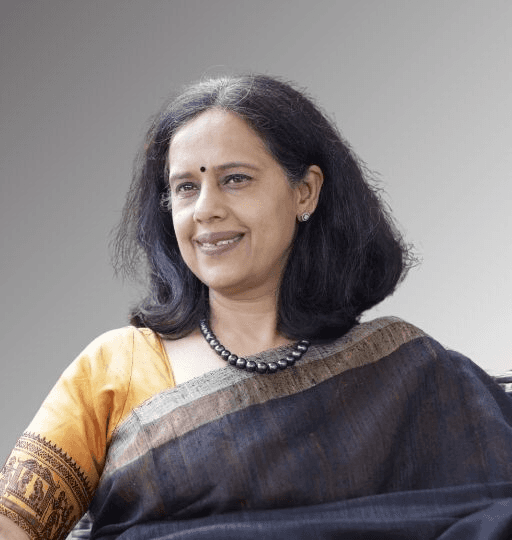
This framework is not a diagnostic tool, it is a guidance framework rooted in use-case thinking. It helps public institutions, researchers, developers, philanthropists, and infrastructure providers move from intent to real-world application, by identifying the right use-cases, removing key friction points, enabling data and protocols, and building inclusive infrastructure.
The focus is on applying technology responsibly so it delivers tangible, scalable benefits for people, society, and the Global South.
Shalini Kapoor
Chief Strategist, Data & AI,
EkStep Foundation
To achieve safe, secure, and inclusive AI adoption, Africa must chart a realistic pathway toward a truly affordable and scalable AI stack—one that avoids dependency while delivering value locally for every country and every citizen. This means building sovereign, modular infrastructure sized to real demand and available power, connected through trusted data pipelines, strong safeguards, and affordable compute.
Through partnerships such as the AI Adoption Network with India, we can create an interoperable African AI ecosystem that plugs into global markets while remaining rooted in local sovereign control. This is how we empower private-sector innovation, accelerate inclusive diffusion, and turn AI into real economic and social impact for Africans.
Philip Thigo
Special Envoy on Technology,
Office of the President of Kenya
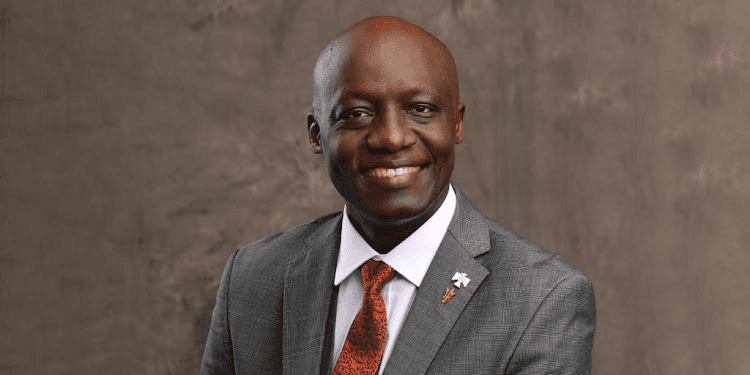
The AI Hub’s work under the Italy–Africa Mattei Plan has revealed that prevailing infrastructure approaches often do not fully reflect African realities, resulting in high-cost systems with limited adoption. The AI Adoption Network offers a different path, co-designed with African partners, to support right-sized AI adoption across sectors such as energy, water, agriculture, health and education. By aligning AI deployment with local energy capacity, real workloads, and local talent, and by building on Africa’s renewable energy potential, this approach creates a practical foundation for win-win partnerships between Africa and private sector partners from the G7, the EU, and Italy.
Eva Spina
Chair, Executive Steering Group, AI Hub for Sustainable Development, Head of Department, Digital, Connectivity and New Technologies, MIMIT

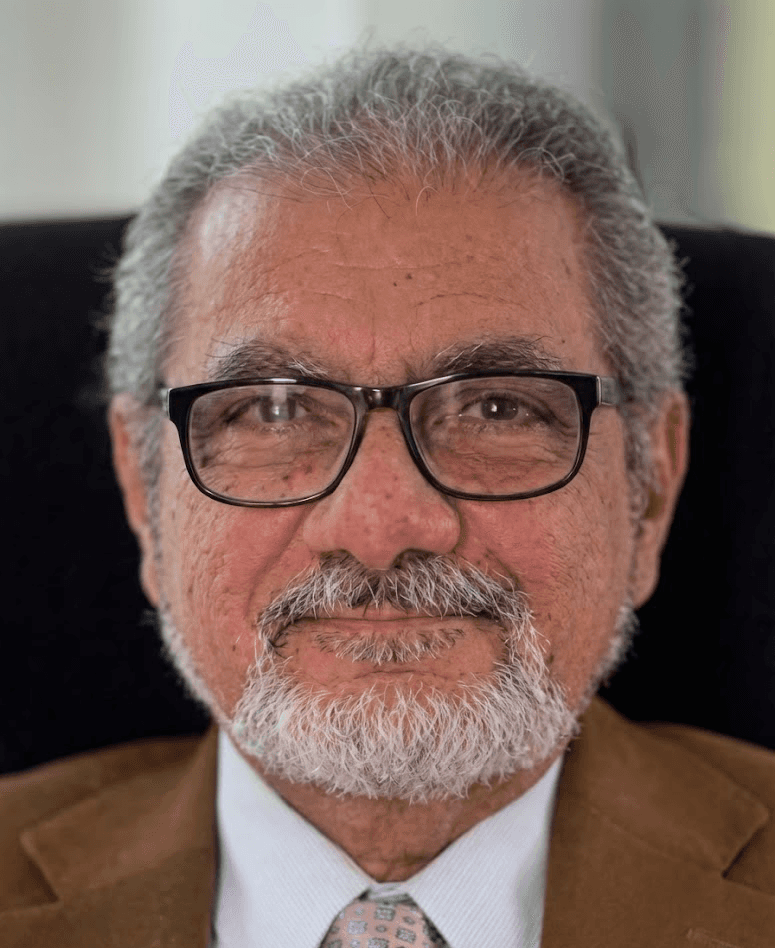
Many governments are actively investigating AI use cases that expand public services and improve decision-making processes. The Government of Egypt, through its Applied Innovation Center, has been doing so since 2019. Our international collaborations have shown that many countries face very similar challenges, not only in developing use cases, but in unlocking the horizontal enablers that make adoption possible, such as data readiness, skills, institutional capacity, infrastructure, and trust. We strongly believe that networks can catalyze faster, more cost-effective, and more sustainable AI adoption that can support economic growth and social development at the global scale.
Dr Ahmed Tantawy
Director, Applied Innovation Center
Senior Advisor, Minister of Communications and Information Technology, Egypt
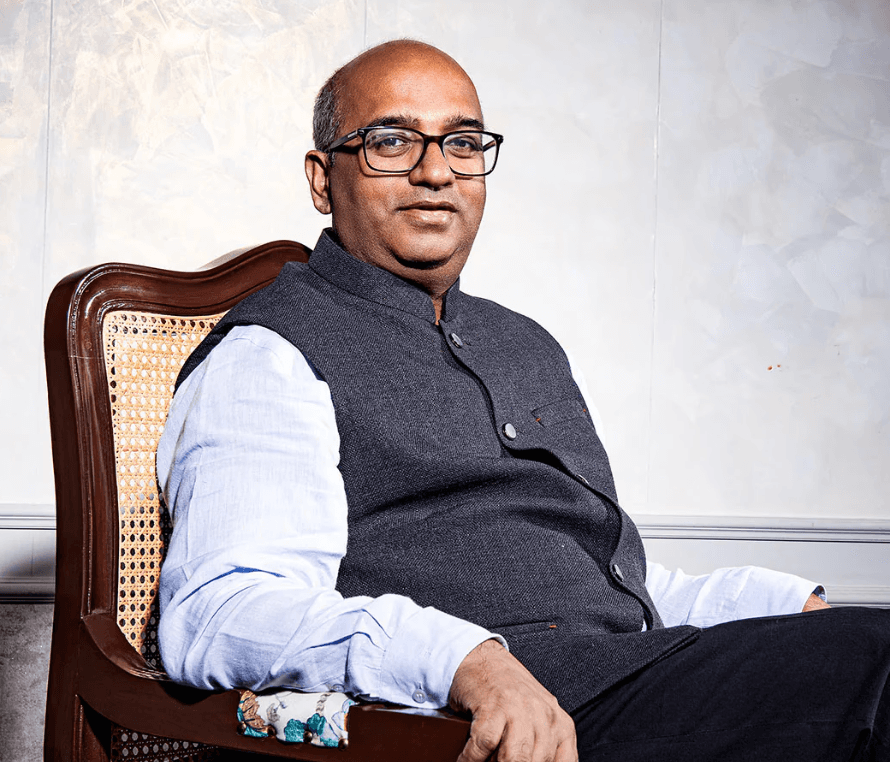
The AI Impact Summit places adoption at the centre of the global AI agenda—moving the conversation from innovation to diffusion and real-world outcomes. Through the IndiaAI Mission, we are expanding access to foundational AI infrastructure, including affordable compute at scale, while platforms like Bhashini are enabling multilingual AI adoption across India. The next phase of progress depends on collaborative networks—bringing governments, practitioners, researchers, and enterprises together to shape what responsible, scalable AI adoption should be, what it can achieve across diverse contexts, and how it can be made truly useful through high-impact use cases.
Abhishek Singh
Additional Secretary, MeitY
CEO, IndiaAI Mission
This framework is not a diagnostic tool, it is a guidance framework rooted in use-case thinking. It helps public institutions, researchers, developers, philanthropists, and infrastructure providers move from intent to real-world application, by identifying the right use-cases, removing key friction points, enabling data and protocols, and building inclusive infrastructure.
The focus is on applying technology responsibly so it delivers tangible, scalable benefits for people, society, and the Global South.
Shalini Kapoor
Chief Strategist, Data & AI,
EkStep Foundation
To achieve safe, secure, and inclusive AI adoption, Africa must chart a realistic pathway toward a truly affordable and scalable AI stack—one that avoids dependency while delivering value locally for every country and every citizen. This means building sovereign, modular infrastructure sized to real demand and available power, connected through trusted data pipelines, strong safeguards, and affordable compute.
Through partnerships such as the AI Adoption Network with India, we can create an interoperable African AI ecosystem that plugs into global markets while remaining rooted in local sovereign control. This is how we empower private-sector innovation, accelerate inclusive diffusion, and turn AI into real economic and social impact for Africans.
Philip Thigo
Special Envoy on Technology,
Office of the President of Kenya
The AI Hub’s work under the Italy–Africa Mattei Plan has revealed that prevailing infrastructure approaches often do not fully reflect African realities, resulting in high-cost systems with limited adoption. The AI Adoption Network offers a different path, co-designed with African partners, to support right-sized AI adoption across sectors such as energy, water, agriculture, health and education. By aligning AI deployment with local energy capacity, real workloads, and local talent, and by building on Africa’s renewable energy potential, this approach creates a practical foundation for win-win partnerships between Africa and private sector partners from the G7, the EU, and Italy.
Eva Spina
Chair, Executive Steering Group, AI Hub for Sustainable Development, Head of Department, Digital, Connectivity and New Technologies, MIMIT
Many governments are actively investigating AI use cases that expand public services and improve decision-making processes. The Government of Egypt, through its Applied Innovation Center, has been doing so since 2019. Our international collaborations have shown that many countries face very similar challenges, not only in developing use cases, but in unlocking the horizontal enablers that make adoption possible, such as data readiness, skills, institutional capacity, infrastructure, and trust. We strongly believe that networks can catalyze faster, more cost-effective, and more sustainable AI adoption that can support economic growth and social development at the global scale.
Dr Ahmed Tantawy
Director, Applied Innovation Center
Senior Advisor, Minister of Communications and Information Technology, Egypt
The AI Impact Summit places adoption at the centre of the global AI agenda—moving the conversation from innovation to diffusion and real-world outcomes. Through the IndiaAI Mission, we are expanding access to foundational AI infrastructure, including affordable compute at scale, while platforms like Bhashini are enabling multilingual AI adoption across India. The next phase of progress depends on collaborative networks—bringing governments, practitioners, researchers, and enterprises together to shape what responsible, scalable AI adoption should be, what it can achieve across diverse contexts, and how it can be made truly useful through high-impact use cases.
Abhishek Singh
Additional Secretary, MeitY
CEO, IndiaAI Mission
This framework is not a diagnostic tool, it is a guidance framework rooted in use-case thinking. It helps public institutions, researchers, developers, philanthropists, and infrastructure providers move from intent to real-world application, by identifying the right use-cases, removing key friction points, enabling data and protocols, and building inclusive infrastructure.
The focus is on applying technology responsibly so it delivers tangible, scalable benefits for people, society, and the Global South.
Shalini Kapoor
Chief Strategist, Data & AI,
EkStep Foundation
To achieve safe, secure, and inclusive AI adoption, Africa must chart a realistic pathway toward a truly affordable and scalable AI stack—one that avoids dependency while delivering value locally for every country and every citizen. This means building sovereign, modular infrastructure sized to real demand and available power, connected through trusted data pipelines, strong safeguards, and affordable compute.
Through partnerships such as the AI Adoption Network with India, we can create an interoperable African AI ecosystem that plugs into global markets while remaining rooted in local sovereign control. This is how we empower private-sector innovation, accelerate inclusive diffusion, and turn AI into real economic and social impact for Africans.
Philip Thigo
Special Envoy on Technology,
Office of the President of Kenya
The AI Hub’s work under the Italy–Africa Mattei Plan has revealed that prevailing infrastructure approaches often do not fully reflect African realities, resulting in high-cost systems with limited adoption. The AI Adoption Network offers a different path, co-designed with African partners, to support right-sized AI adoption across sectors such as energy, water, agriculture, health and education. By aligning AI deployment with local energy capacity, real workloads, and local talent, and by building on Africa’s renewable energy potential, this approach creates a practical foundation for win-win partnerships between Africa and private sector partners from the G7, the EU, and Italy.
Eva Spina
Chair, Executive Steering Group, AI Hub for Sustainable Development, Head of Department, Digital, Connectivity and New Technologies, MIMIT
Many governments are actively investigating AI use cases that expand public services and improve decision-making processes. The Government of Egypt, through its Applied Innovation Center, has been doing so since 2019. Our international collaborations have shown that many countries face very similar challenges, not only in developing use cases, but in unlocking the horizontal enablers that make adoption possible, such as data readiness, skills, institutional capacity, infrastructure, and trust. We strongly believe that networks can catalyze faster, more cost-effective, and more sustainable AI adoption that can support economic growth and social development at the global scale.
Dr Ahmed Tantawy
Director, Applied Innovation Center
Senior Advisor, Minister of Communications and Information Technology, Egypt
The AI Impact Summit places adoption at the centre of the global AI agenda—moving the conversation from innovation to diffusion and real-world outcomes. Through the IndiaAI Mission, we are expanding access to foundational AI infrastructure, including affordable compute at scale, while platforms like Bhashini are enabling multilingual AI adoption across India. The next phase of progress depends on collaborative networks—bringing governments, practitioners, researchers, and enterprises together to shape what responsible, scalable AI adoption should be, what it can achieve across diverse contexts, and how it can be made truly useful through high-impact use cases.
Abhishek Singh
Additional Secretary, MeitY
CEO, IndiaAI Mission
This framework is not a diagnostic tool, it is a guidance framework rooted in use-case thinking. It helps public institutions, researchers, developers, philanthropists, and infrastructure providers move from intent to real-world application, by identifying the right use-cases, removing key friction points, enabling data and protocols, and building inclusive infrastructure.
The focus is on applying technology responsibly so it delivers tangible, scalable benefits for people, society, and the Global South.
Shalini Kapoor
Chief Strategist, Data & AI,
EkStep Foundation
To achieve safe, secure, and inclusive AI adoption, Africa must chart a realistic pathway toward a truly affordable and scalable AI stack—one that avoids dependency while delivering value locally for every country and every citizen. This means building sovereign, modular infrastructure sized to real demand and available power, connected through trusted data pipelines, strong safeguards, and affordable compute.
Through partnerships such as the AI Adoption Network with India, we can create an interoperable African AI ecosystem that plugs into global markets while remaining rooted in local sovereign control. This is how we empower private-sector innovation, accelerate inclusive diffusion, and turn AI into real economic and social impact for Africans.
Philip Thigo
Special Envoy on Technology,
Office of the President of Kenya
The AI Hub’s work under the Italy–Africa Mattei Plan has revealed that prevailing infrastructure approaches often do not fully reflect African realities, resulting in high-cost systems with limited adoption. The AI Adoption Network offers a different path, co-designed with African partners, to support right-sized AI adoption across sectors such as energy, water, agriculture, health and education. By aligning AI deployment with local energy capacity, real workloads, and local talent, and by building on Africa’s renewable energy potential, this approach creates a practical foundation for win-win partnerships between Africa and private sector partners from the G7, the EU, and Italy.
Eva Spina
Chair, Executive Steering Group, AI Hub for Sustainable Development, Head of Department, Digital, Connectivity and New Technologies, MIMIT
Many governments are actively investigating AI use cases that expand public services and improve decision-making processes. The Government of Egypt, through its Applied Innovation Center, has been doing so since 2019. Our international collaborations have shown that many countries face very similar challenges, not only in developing use cases, but in unlocking the horizontal enablers that make adoption possible, such as data readiness, skills, institutional capacity, infrastructure, and trust. We strongly believe that networks can catalyze faster, more cost-effective, and more sustainable AI adoption that can support economic growth and social development at the global scale.
Dr Ahmed Tantawy
Director, Applied Innovation Center
Senior Advisor, Minister of Communications and Information Technology, Egypt
The AI Impact Summit places adoption at the centre of the global AI agenda—moving the conversation from innovation to diffusion and real-world outcomes. Through the IndiaAI Mission, we are expanding access to foundational AI infrastructure, including affordable compute at scale, while platforms like Bhashini are enabling multilingual AI adoption across India. The next phase of progress depends on collaborative networks—bringing governments, practitioners, researchers, and enterprises together to shape what responsible, scalable AI adoption should be, what it can achieve across diverse contexts, and how it can be made truly useful through high-impact use cases.
Abhishek Singh
Additional Secretary, MeitY
CEO, IndiaAI Mission
This framework is not a diagnostic tool, it is a guidance framework rooted in use-case thinking. It helps public institutions, researchers, developers, philanthropists, and infrastructure providers move from intent to real-world application, by identifying the right use-cases, removing key friction points, enabling data and protocols, and building inclusive infrastructure.
The focus is on applying technology responsibly so it delivers tangible, scalable benefits for people, society, and the Global South.
Shalini Kapoor
Chief Strategist, Data & AI,
EkStep Foundation
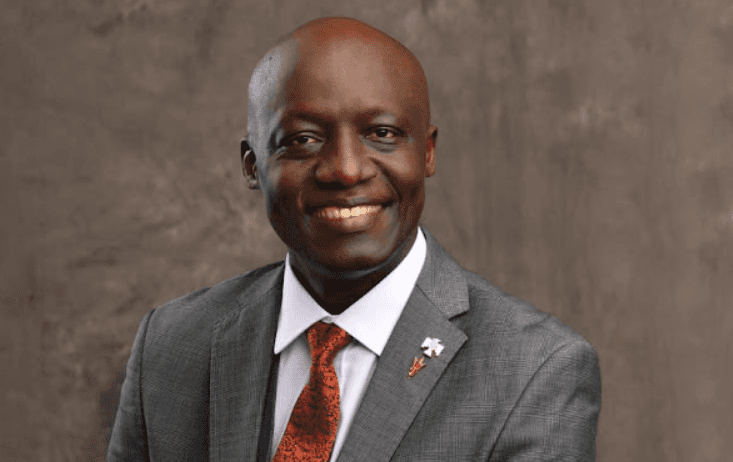
To achieve safe, secure, and inclusive AI adoption, Africa must chart a realistic pathway toward an affordable and scalable AI stack, one that avoids dependency while delivering local value for every country and citizen. This means building sovereign, modular infrastructure sized to real demand and power, connected through trusted data pipelines, strong safeguards, and affordable compute.
Through partnerships such as the AI Adoption Network with India, we can create an interoperable African AI ecosystem that plugs into global markets while remaining rooted in sovereign control. This approach empowers private-sector innovation, accelerates inclusive diffusion, and turns AI into real economic and social impact for Africans.
Philip Thigo
Special Envoy on Technology,
Office of the President of Kenya
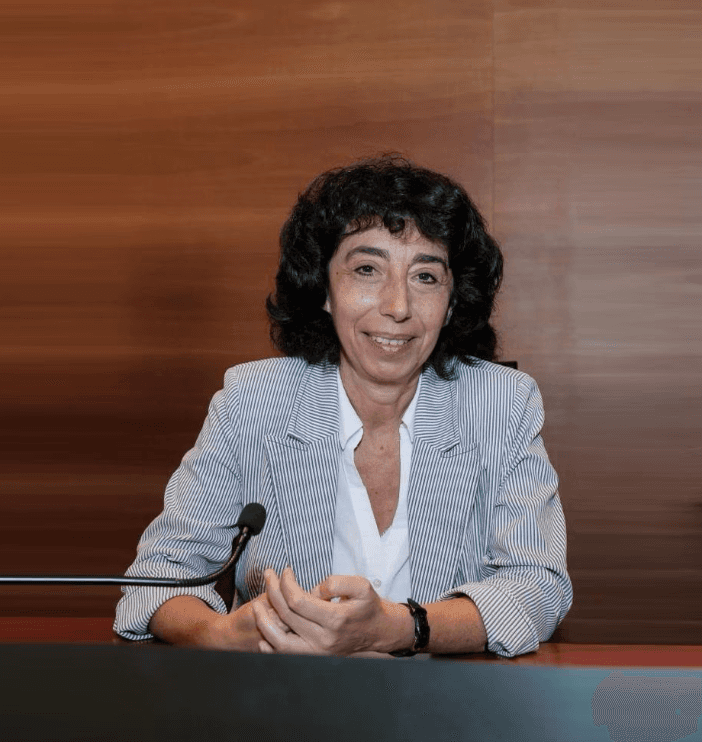
The AI Hub’s work under the Italy–Africa Mattei Plan has revealed that prevailing infrastructure approaches often do not fully reflect African realities, resulting in high-cost systems with limited adoption. The AI Adoption Network offers a different path, co-designed with African partners, to support right-sized AI adoption across sectors such as energy, water, agriculture, health and education. By aligning AI deployment with local energy capacity, real workloads, and local talent, and by building on Africa’s renewable energy potential, this approach creates a practical foundation for win-win partnerships between Africa and private sector partners from the G7, the EU, and Italy.
Eva Spina
Chair, Executive Steering Group, AI Hub for Sustainable Development, Head of Department, Digital, Connectivity and New Technologies, MIMIT
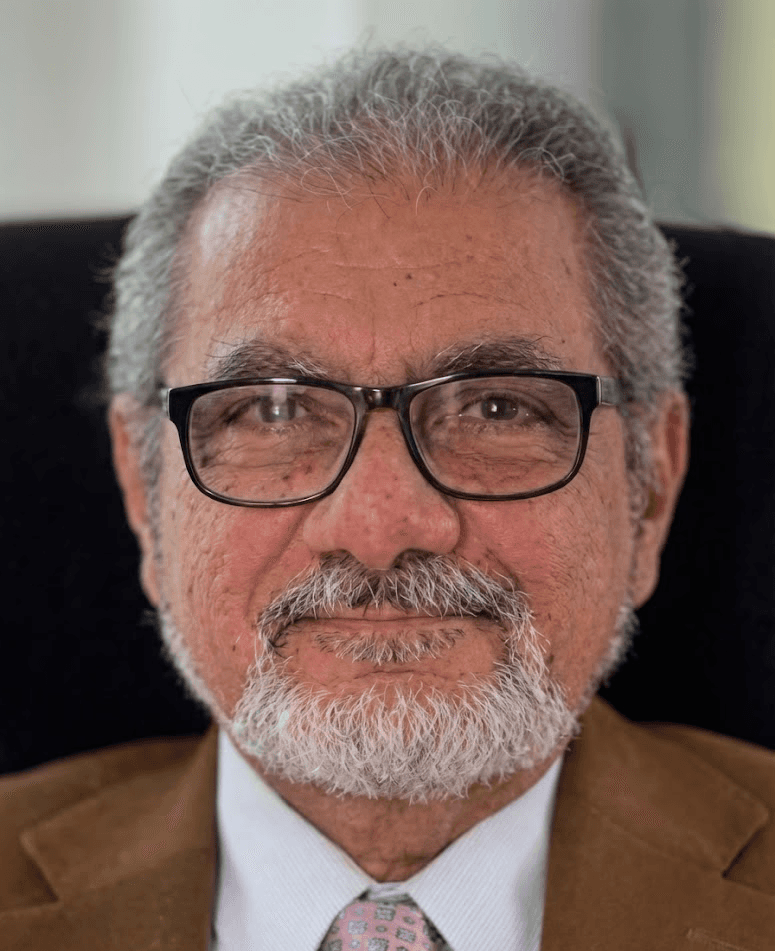
Many governments are actively investigating AI use cases that expand public services and improve decision-making processes. The Government of Egypt, through its Applied Innovation Center, has been doing so since 2019. Our international collaborations have shown that many countries face very similar challenges, not only in developing use cases, but in unlocking the horizontal enablers that make adoption possible, such as data readiness, skills, institutional capacity, infrastructure, and trust. We strongly believe that networks can catalyze faster, more cost-effective, and more sustainable AI adoption that can support economic growth and social development at the global scale.
Dr Ahmed Tantawy
Director, Applied Innovation Center
Senior Advisor to the Minister of Communications and Information Technology, Egypt
The AI Impact Summit places adoption at the centre of the global AI agenda—moving the conversation from innovation to diffusion and real-world outcomes. Through the IndiaAI Mission, we are expanding access to foundational AI infrastructure, including affordable compute at scale, while platforms like Bhashini are enabling multilingual AI adoption across India. The next phase of progress depends on collaborative networks—bringing governments, practitioners, researchers, and enterprises together to shape what responsible, scalable AI adoption should be, what it can achieve across diverse contexts, and how it can be made truly useful through high-impact use cases.
Abhishek Singh
Additional Secretary, MeitY
CEO, IndiaAI Mission
This framework is not a diagnostic tool, it is a guidance framework rooted in use-case thinking. It helps public institutions, researchers, developers, philanthropists, and infrastructure providers move from intent to real-world application, by identifying the right use-cases, removing key friction points, enabling data and protocols, and building inclusive infrastructure.
The focus is on applying technology responsibly so it delivers tangible, scalable benefits for people, society, and the Global South.
Shalini Kapoor
Chief Strategist, Data & AI,
EkStep Foundation
To achieve safe, secure, and inclusive AI adoption, Africa must chart a realistic pathway toward an affordable and scalable AI stack, one that avoids dependency while delivering local value for every country and citizen. This means building sovereign, modular infrastructure sized to real demand and power, connected through trusted data pipelines, strong safeguards, and affordable compute.
Through partnerships such as the AI Adoption Network with India, we can create an interoperable African AI ecosystem that plugs into global markets while remaining rooted in sovereign control. This approach empowers private-sector innovation, accelerates inclusive diffusion, and turns AI into real economic and social impact for Africans.
Philip Thigo
Special Envoy on Technology,
Office of the President of Kenya
The AI Hub’s work under the Italy–Africa Mattei Plan has revealed that prevailing infrastructure approaches often do not fully reflect African realities, resulting in high-cost systems with limited adoption. The AI Adoption Network offers a different path, co-designed with African partners, to support right-sized AI adoption across sectors such as energy, water, agriculture, health and education. By aligning AI deployment with local energy capacity, real workloads, and local talent, and by building on Africa’s renewable energy potential, this approach creates a practical foundation for win-win partnerships between Africa and private sector partners from the G7, the EU, and Italy.
Eva Spina
Chair, Executive Steering Group, AI Hub for Sustainable Development, Head of Department, Digital, Connectivity and New Technologies, MIMIT
Many governments are actively investigating AI use cases that expand public services and improve decision-making processes. The Government of Egypt, through its Applied Innovation Center, has been doing so since 2019. Our international collaborations have shown that many countries face very similar challenges, not only in developing use cases, but in unlocking the horizontal enablers that make adoption possible, such as data readiness, skills, institutional capacity, infrastructure, and trust. We strongly believe that networks can catalyze faster, more cost-effective, and more sustainable AI adoption that can support economic growth and social development at the global scale.
Dr Ahmed Tantawy
Director, Applied Innovation Center
Senior Advisor to the Minister of Communications and Information Technology, Egypt
The AI Impact Summit places adoption at the centre of the global AI agenda—moving the conversation from innovation to diffusion and real-world outcomes. Through the IndiaAI Mission, we are expanding access to foundational AI infrastructure, including affordable compute at scale, while platforms like Bhashini are enabling multilingual AI adoption across India. The next phase of progress depends on collaborative networks—bringing governments, practitioners, researchers, and enterprises together to shape what responsible, scalable AI adoption should be, what it can achieve across diverse contexts, and how it can be made truly useful through high-impact use cases.
Abhishek Singh
Additional Secretary, MeitY
CEO, IndiaAI Mission
This framework is not a diagnostic tool, it is a guidance framework rooted in use-case thinking. It helps public institutions, researchers, developers, philanthropists, and infrastructure providers move from intent to real-world application, by identifying the right use-cases, removing key friction points, enabling data and protocols, and building inclusive infrastructure.
The focus is on applying technology responsibly so it delivers tangible, scalable benefits for people, society, and the Global South.
Shalini Kapoor
Chief Strategist, Data & AI,
EkStep Foundation
To achieve safe, secure, and inclusive AI adoption, Africa must chart a realistic pathway toward an affordable and scalable AI stack, one that avoids dependency while delivering local value for every country and citizen. This means building sovereign, modular infrastructure sized to real demand and power, connected through trusted data pipelines, strong safeguards, and affordable compute.
Through partnerships such as the AI Adoption Network with India, we can create an interoperable African AI ecosystem that plugs into global markets while remaining rooted in sovereign control. This approach empowers private-sector innovation, accelerates inclusive diffusion, and turns AI into real economic and social impact for Africans.
Philip Thigo
Special Envoy on Technology,
Office of the President of Kenya
The AI Hub’s work under the Italy–Africa Mattei Plan has revealed that prevailing infrastructure approaches often do not fully reflect African realities, resulting in high-cost systems with limited adoption. The AI Adoption Network offers a different path, co-designed with African partners, to support right-sized AI adoption across sectors such as energy, water, agriculture, health and education. By aligning AI deployment with local energy capacity, real workloads, and local talent, and by building on Africa’s renewable energy potential, this approach creates a practical foundation for win-win partnerships between Africa and private sector partners from the G7, the EU, and Italy.
Eva Spina
Chair, Executive Steering Group, AI Hub for Sustainable Development, Head of Department, Digital, Connectivity and New Technologies, MIMIT
Many governments are actively investigating AI use cases that expand public services and improve decision-making processes. The Government of Egypt, through its Applied Innovation Center, has been doing so since 2019. Our international collaborations have shown that many countries face very similar challenges, not only in developing use cases, but in unlocking the horizontal enablers that make adoption possible, such as data readiness, skills, institutional capacity, infrastructure, and trust. We strongly believe that networks can catalyze faster, more cost-effective, and more sustainable AI adoption that can support economic growth and social development at the global scale.
Dr Ahmed Tantawy
Director, Applied Innovation Center
Senior Advisor to the Minister of Communications and Information Technology, Egypt
The AI Impact Summit places adoption at the centre of the global AI agenda—moving the conversation from innovation to diffusion and real-world outcomes. Through the IndiaAI Mission, we are expanding access to foundational AI infrastructure, including affordable compute at scale, while platforms like Bhashini are enabling multilingual AI adoption across India. The next phase of progress depends on collaborative networks—bringing governments, practitioners, researchers, and enterprises together to shape what responsible, scalable AI adoption should be, what it can achieve across diverse contexts, and how it can be made truly useful through high-impact use cases.
Abhishek Singh
Additional Secretary, MeitY
CEO, IndiaAI Mission
This framework is not a diagnostic tool, it is a guidance framework rooted in use-case thinking. It helps public institutions, researchers, developers, philanthropists, and infrastructure providers move from intent to real-world application, by identifying the right use-cases, removing key friction points, enabling data and protocols, and building inclusive infrastructure.
The focus is on applying technology responsibly so it delivers tangible, scalable benefits for people, society, and the Global South.
Shalini Kapoor
Chief Strategist, Data & AI,
EkStep Foundation
To achieve safe, secure, and inclusive AI adoption, Africa must chart a realistic pathway toward an affordable and scalable AI stack, one that avoids dependency while delivering local value for every country and citizen. This means building sovereign, modular infrastructure sized to real demand and power, connected through trusted data pipelines, strong safeguards, and affordable compute.
Through partnerships such as the AI Adoption Network with India, we can create an interoperable African AI ecosystem that plugs into global markets while remaining rooted in sovereign control. This approach empowers private-sector innovation, accelerates inclusive diffusion, and turns AI into real economic and social impact for Africans.
Philip Thigo
Special Envoy on Technology,
Office of the President of Kenya
The AI Hub’s work under the Italy–Africa Mattei Plan has revealed that prevailing infrastructure approaches often do not fully reflect African realities, resulting in high-cost systems with limited adoption. The AI Adoption Network offers a different path, co-designed with African partners, to support right-sized AI adoption across sectors such as energy, water, agriculture, health and education. By aligning AI deployment with local energy capacity, real workloads, and local talent, and by building on Africa’s renewable energy potential, this approach creates a practical foundation for win-win partnerships between Africa and private sector partners from the G7, the EU, and Italy.
Eva Spina
Chair, Executive Steering Group, AI Hub for Sustainable Development, Head of Department, Digital, Connectivity and New Technologies, MIMIT
Many governments are actively investigating AI use cases that expand public services and improve decision-making processes. The Government of Egypt, through its Applied Innovation Center, has been doing so since 2019. Our international collaborations have shown that many countries face very similar challenges, not only in developing use cases, but in unlocking the horizontal enablers that make adoption possible, such as data readiness, skills, institutional capacity, infrastructure, and trust. We strongly believe that networks can catalyze faster, more cost-effective, and more sustainable AI adoption that can support economic growth and social development at the global scale.
Dr Ahmed Tantawy
Director, Applied Innovation Center
Senior Advisor to the Minister of Communications and Information Technology, Egypt
A use case is a real-world, repeatable application of AI that meets a clear user need and delivers measurable societal value. It goes beyond pilots or prototypes by showing how AI improves outcomes for people, systems, or communities in ways that can be sustained and scaled responsibly.
As AI is rapidly evolving, the real friction lies not in building technology but in ensuring safe impact and adoption at-scale, beyond early pilots. People+ai is stewarding the Use Case Adoption Framework to bridge the gaps faced during adoption.
The AI Impact Summit places adoption at the centre of the global AI agenda—moving the conversation from innovation to diffusion and real-world outcomes. Through the IndiaAI Mission, we are expanding access to foundational AI infrastructure, including affordable compute at scale, while platforms like Bhashini are enabling multilingual AI adoption across India. The next phase of progress depends on collaborative networks—bringing governments, practitioners, researchers, and enterprises together to shape what responsible, scalable AI adoption should be, what it can achieve across diverse contexts, and how it can be made truly useful through high-impact use cases.
Abhishek Singh
Additional Secretary, MeitY
CEO, IndiaAI Mission
This framework is not a diagnostic tool, it is a guidance framework rooted in use-case thinking. It helps public institutions, researchers, developers, philanthropists, and infrastructure providers move from intent to real-world application, by identifying the right use-cases, removing key friction points, enabling data and protocols, and building inclusive infrastructure.
The focus is on applying technology responsibly so it delivers tangible, scalable benefits for people, society, and the Global South.
Shalini Kapoor
Chief Strategist, Data & AI,
EkStep Foundation
To achieve safe, secure, and inclusive AI adoption, Africa must chart a realistic pathway toward a truly affordable and scalable AI stack—one that avoids dependency while delivering value locally for every country and every citizen. This means building sovereign, modular infrastructure sized to real demand and available power, connected through trusted data pipelines, strong safeguards, and affordable compute.
Through partnerships such as the AI Adoption Network with India, we can create an interoperable African AI ecosystem that plugs into global markets while remaining rooted in local sovereign control. This is how we empower private-sector innovation, accelerate inclusive diffusion, and turn AI into real economic and social impact for Africans.
Philip Thigo
Special Envoy on Technology,
Office of the President of Kenya
The AI Hub’s work under the Italy–Africa Mattei Plan has revealed that prevailing infrastructure approaches often do not fully reflect African realities, resulting in high-cost systems with limited adoption. The AI Adoption Network offers a different path, co-designed with African partners, to support right-sized AI adoption across sectors such as energy, water, agriculture, health and education. By aligning AI deployment with local energy capacity, real workloads, and local talent, and by building on Africa’s renewable energy potential, this approach creates a practical foundation for win-win partnerships between Africa and private sector partners from the G7, the EU, and Italy.
Eva Spina
Chair, Executive Steering Group, AI Hub for Sustainable Development, Head of Department, Digital, Connectivity and New Technologies, MIMIT
Many governments are actively investigating AI use cases that expand public services and improve decision-making processes. The Government of Egypt, through its Applied Innovation Center, has been doing so since 2019. Our international collaborations have shown that many countries face very similar challenges, not only in developing use cases, but in unlocking the horizontal enablers that make adoption possible, such as data readiness, skills, institutional capacity, infrastructure, and trust. We strongly believe that networks can catalyze faster, more cost-effective, and more sustainable AI adoption that can support economic growth and social development at the global scale.
Dr Ahmed Tantawy
Director, Applied Innovation Center
Senior Advisor, Minister of Communications and Information Technology, Egypt
The AI Impact Summit places adoption at the centre of the global AI agenda—moving the conversation from innovation to diffusion and real-world outcomes. Through the IndiaAI Mission, we are expanding access to foundational AI infrastructure, including affordable compute at scale, while platforms like Bhashini are enabling multilingual AI adoption across India. The next phase of progress depends on collaborative networks—bringing governments, practitioners, researchers, and enterprises together to shape what responsible, scalable AI adoption should be, what it can achieve across diverse contexts, and how it can be made truly useful through high-impact use cases.
Abhishek Singh
Additional Secretary, MeitY
CEO, IndiaAI Mission
This framework is not a diagnostic tool, it is a guidance framework rooted in use-case thinking. It helps public institutions, researchers, developers, philanthropists, and infrastructure providers move from intent to real-world application, by identifying the right use-cases, removing key friction points, enabling data and protocols, and building inclusive infrastructure.
The focus is on applying technology responsibly so it delivers tangible, scalable benefits for people, society, and the Global South.
Shalini Kapoor
Chief Strategist, Data & AI,
EkStep Foundation
To achieve safe, secure, and inclusive AI adoption, Africa must chart a realistic pathway toward a truly affordable and scalable AI stack—one that avoids dependency while delivering value locally for every country and every citizen. This means building sovereign, modular infrastructure sized to real demand and available power, connected through trusted data pipelines, strong safeguards, and affordable compute.
Through partnerships such as the AI Adoption Network with India, we can create an interoperable African AI ecosystem that plugs into global markets while remaining rooted in local sovereign control. This is how we empower private-sector innovation, accelerate inclusive diffusion, and turn AI into real economic and social impact for Africans.
Philip Thigo
Special Envoy on Technology,
Office of the President of Kenya
The AI Hub’s work under the Italy–Africa Mattei Plan has revealed that prevailing infrastructure approaches often do not fully reflect African realities, resulting in high-cost systems with limited adoption. The AI Adoption Network offers a different path, co-designed with African partners, to support right-sized AI adoption across sectors such as energy, water, agriculture, health and education. By aligning AI deployment with local energy capacity, real workloads, and local talent, and by building on Africa’s renewable energy potential, this approach creates a practical foundation for win-win partnerships between Africa and private sector partners from the G7, the EU, and Italy.
Eva Spina
Chair, Executive Steering Group, AI Hub for Sustainable Development, Head of Department, Digital, Connectivity and New Technologies, MIMIT
Many governments are actively investigating AI use cases that expand public services and improve decision-making processes. The Government of Egypt, through its Applied Innovation Center, has been doing so since 2019. Our international collaborations have shown that many countries face very similar challenges, not only in developing use cases, but in unlocking the horizontal enablers that make adoption possible, such as data readiness, skills, institutional capacity, infrastructure, and trust. We strongly believe that networks can catalyze faster, more cost-effective, and more sustainable AI adoption that can support economic growth and social development at the global scale.
Dr Ahmed Tantawy
Director, Applied Innovation Center
Senior Advisor, Minister of Communications and Information Technology, Egypt
The AI Impact Summit places adoption at the centre of the global AI agenda—moving the conversation from innovation to diffusion and real-world outcomes. Through the IndiaAI Mission, we are expanding access to foundational AI infrastructure, including affordable compute at scale, while platforms like Bhashini are enabling multilingual AI adoption across India. The next phase of progress depends on collaborative networks—bringing governments, practitioners, researchers, and enterprises together to shape what responsible, scalable AI adoption should be, what it can achieve across diverse contexts, and how it can be made truly useful through high-impact use cases.
Abhishek Singh
Additional Secretary, MeitY
CEO, IndiaAI Mission
This framework is not a diagnostic tool, it is a guidance framework rooted in use-case thinking. It helps public institutions, researchers, developers, philanthropists, and infrastructure providers move from intent to real-world application, by identifying the right use-cases, removing key friction points, enabling data and protocols, and building inclusive infrastructure.
The focus is on applying technology responsibly so it delivers tangible, scalable benefits for people, society, and the Global South.
Shalini Kapoor
Chief Strategist, Data & AI,
EkStep Foundation
To achieve safe, secure, and inclusive AI adoption, Africa must chart a realistic pathway toward a truly affordable and scalable AI stack—one that avoids dependency while delivering value locally for every country and every citizen. This means building sovereign, modular infrastructure sized to real demand and available power, connected through trusted data pipelines, strong safeguards, and affordable compute.
Through partnerships such as the AI Adoption Network with India, we can create an interoperable African AI ecosystem that plugs into global markets while remaining rooted in local sovereign control. This is how we empower private-sector innovation, accelerate inclusive diffusion, and turn AI into real economic and social impact for Africans.
Philip Thigo
Special Envoy on Technology,
Office of the President of Kenya
The AI Hub’s work under the Italy–Africa Mattei Plan has revealed that prevailing infrastructure approaches often do not fully reflect African realities, resulting in high-cost systems with limited adoption. The AI Adoption Network offers a different path, co-designed with African partners, to support right-sized AI adoption across sectors such as energy, water, agriculture, health and education. By aligning AI deployment with local energy capacity, real workloads, and local talent, and by building on Africa’s renewable energy potential, this approach creates a practical foundation for win-win partnerships between Africa and private sector partners from the G7, the EU, and Italy.
Eva Spina
Chair, Executive Steering Group, AI Hub for Sustainable Development, Head of Department, Digital, Connectivity and New Technologies, MIMIT
Many governments are actively investigating AI use cases that expand public services and improve decision-making processes. The Government of Egypt, through its Applied Innovation Center, has been doing so since 2019. Our international collaborations have shown that many countries face very similar challenges, not only in developing use cases, but in unlocking the horizontal enablers that make adoption possible, such as data readiness, skills, institutional capacity, infrastructure, and trust. We strongly believe that networks can catalyze faster, more cost-effective, and more sustainable AI adoption that can support economic growth and social development at the global scale.
Dr Ahmed Tantawy
Director, Applied Innovation Center
Senior Advisor, Minister of Communications and Information Technology, Egypt
The AI Impact Summit places adoption at the centre of the global AI agenda—moving the conversation from innovation to diffusion and real-world outcomes. Through the IndiaAI Mission, we are expanding access to foundational AI infrastructure, including affordable compute at scale, while platforms like Bhashini are enabling multilingual AI adoption across India. The next phase of progress depends on collaborative networks—bringing governments, practitioners, researchers, and enterprises together to shape what responsible, scalable AI adoption should be, what it can achieve across diverse contexts, and how it can be made truly useful through high-impact use cases.
Abhishek Singh
Additional Secretary, MeitY
CEO, IndiaAI Mission
This framework is not a diagnostic tool, it is a guidance framework rooted in use-case thinking. It helps public institutions, researchers, developers, philanthropists, and infrastructure providers move from intent to real-world application, by identifying the right use-cases, removing key friction points, enabling data and protocols, and building inclusive infrastructure.
The focus is on applying technology responsibly so it delivers tangible, scalable benefits for people, society, and the Global South.
Shalini Kapoor
Chief Strategist, Data & AI,
EkStep Foundation
To achieve safe, secure, and inclusive AI adoption, Africa must chart a realistic pathway toward a truly affordable and scalable AI stack—one that avoids dependency while delivering value locally for every country and every citizen. This means building sovereign, modular infrastructure sized to real demand and available power, connected through trusted data pipelines, strong safeguards, and affordable compute.
Through partnerships such as the AI Adoption Network with India, we can create an interoperable African AI ecosystem that plugs into global markets while remaining rooted in local sovereign control. This is how we empower private-sector innovation, accelerate inclusive diffusion, and turn AI into real economic and social impact for Africans.
Philip Thigo
Special Envoy on Technology,
Office of the President of Kenya
The AI Hub’s work under the Italy–Africa Mattei Plan has revealed that prevailing infrastructure approaches often do not fully reflect African realities, resulting in high-cost systems with limited adoption. The AI Adoption Network offers a different path, co-designed with African partners, to support right-sized AI adoption across sectors such as energy, water, agriculture, health and education. By aligning AI deployment with local energy capacity, real workloads, and local talent, and by building on Africa’s renewable energy potential, this approach creates a practical foundation for win-win partnerships between Africa and private sector partners from the G7, the EU, and Italy.
Eva Spina
Chair, Executive Steering Group, AI Hub for Sustainable Development, Head of Department, Digital, Connectivity and New Technologies, MIMIT
Many governments are actively investigating AI use cases that expand public services and improve decision-making processes. The Government of Egypt, through its Applied Innovation Center, has been doing so since 2019. Our international collaborations have shown that many countries face very similar challenges, not only in developing use cases, but in unlocking the horizontal enablers that make adoption possible, such as data readiness, skills, institutional capacity, infrastructure, and trust. We strongly believe that networks can catalyze faster, more cost-effective, and more sustainable AI adoption that can support economic growth and social development at the global scale.
Dr Ahmed Tantawy
Director, Applied Innovation Center
Senior Advisor, Minister of Communications and Information Technology, Egypt
The AI Impact Summit places adoption at the centre of the global AI agenda—moving the conversation from innovation to diffusion and real-world outcomes. Through the IndiaAI Mission, we are expanding access to foundational AI infrastructure, including affordable compute at scale, while platforms like Bhashini are enabling multilingual AI adoption across India. The next phase of progress depends on collaborative networks—bringing governments, practitioners, researchers, and enterprises together to shape what responsible, scalable AI adoption should be, what it can achieve across diverse contexts, and how it can be made truly useful through high-impact use cases.
Abhishek Singh
Additional Secretary, MeitY
CEO, IndiaAI Mission
This framework is not a diagnostic tool, it is a guidance framework rooted in use-case thinking. It helps public institutions, researchers, developers, philanthropists, and infrastructure providers move from intent to real-world application, by identifying the right use-cases, removing key friction points, enabling data and protocols, and building inclusive infrastructure.
The focus is on applying technology responsibly so it delivers tangible, scalable benefits for people, society, and the Global South.
Shalini Kapoor
Chief Strategist, Data & AI,
EkStep Foundation
To achieve safe, secure, and inclusive AI adoption, Africa must chart a realistic pathway toward an affordable and scalable AI stack, one that avoids dependency while delivering local value for every country and citizen. This means building sovereign, modular infrastructure sized to real demand and power, connected through trusted data pipelines, strong safeguards, and affordable compute.
Through partnerships such as the AI Adoption Network with India, we can create an interoperable African AI ecosystem that plugs into global markets while remaining rooted in sovereign control. This approach empowers private-sector innovation, accelerates inclusive diffusion, and turns AI into real economic and social impact for Africans.
Philip Thigo
Special Envoy on Technology,
Office of the President of Kenya
The AI Hub’s work under the Italy–Africa Mattei Plan has revealed that prevailing infrastructure approaches often do not fully reflect African realities, resulting in high-cost systems with limited adoption. The AI Adoption Network offers a different path, co-designed with African partners, to support right-sized AI adoption across sectors such as energy, water, agriculture, health and education. By aligning AI deployment with local energy capacity, real workloads, and local talent, and by building on Africa’s renewable energy potential, this approach creates a practical foundation for win-win partnerships between Africa and private sector partners from the G7, the EU, and Italy.
Eva Spina
Chair, Executive Steering Group, AI Hub for Sustainable Development, Head of Department, Digital, Connectivity and New Technologies, MIMIT
Many governments are actively investigating AI use cases that expand public services and improve decision-making processes. The Government of Egypt, through its Applied Innovation Center, has been doing so since 2019. Our international collaborations have shown that many countries face very similar challenges, not only in developing use cases, but in unlocking the horizontal enablers that make adoption possible, such as data readiness, skills, institutional capacity, infrastructure, and trust. We strongly believe that networks can catalyze faster, more cost-effective, and more sustainable AI adoption that can support economic growth and social development at the global scale.
Dr Ahmed Tantawy
Director, Applied Innovation Center
Senior Advisor to the Minister of Communications and Information Technology, Egypt
The AI Impact Summit places adoption at the centre of the global AI agenda—moving the conversation from innovation to diffusion and real-world outcomes. Through the IndiaAI Mission, we are expanding access to foundational AI infrastructure, including affordable compute at scale, while platforms like Bhashini are enabling multilingual AI adoption across India. The next phase of progress depends on collaborative networks—bringing governments, practitioners, researchers, and enterprises together to shape what responsible, scalable AI adoption should be, what it can achieve across diverse contexts, and how it can be made truly useful through high-impact use cases.
Abhishek Singh
Additional Secretary, MeitY
CEO, IndiaAI Mission
This framework is not a diagnostic tool, it is a guidance framework rooted in use-case thinking. It helps public institutions, researchers, developers, philanthropists, and infrastructure providers move from intent to real-world application, by identifying the right use-cases, removing key friction points, enabling data and protocols, and building inclusive infrastructure.
The focus is on applying technology responsibly so it delivers tangible, scalable benefits for people, society, and the Global South.
Shalini Kapoor
Chief Strategist, Data & AI,
EkStep Foundation
To achieve safe, secure, and inclusive AI adoption, Africa must chart a realistic pathway toward an affordable and scalable AI stack, one that avoids dependency while delivering local value for every country and citizen. This means building sovereign, modular infrastructure sized to real demand and power, connected through trusted data pipelines, strong safeguards, and affordable compute.
Through partnerships such as the AI Adoption Network with India, we can create an interoperable African AI ecosystem that plugs into global markets while remaining rooted in sovereign control. This approach empowers private-sector innovation, accelerates inclusive diffusion, and turns AI into real economic and social impact for Africans.
Philip Thigo
Special Envoy on Technology,
Office of the President of Kenya
The AI Hub’s work under the Italy–Africa Mattei Plan has revealed that prevailing infrastructure approaches often do not fully reflect African realities, resulting in high-cost systems with limited adoption. The AI Adoption Network offers a different path, co-designed with African partners, to support right-sized AI adoption across sectors such as energy, water, agriculture, health and education. By aligning AI deployment with local energy capacity, real workloads, and local talent, and by building on Africa’s renewable energy potential, this approach creates a practical foundation for win-win partnerships between Africa and private sector partners from the G7, the EU, and Italy.
Eva Spina
Chair, Executive Steering Group, AI Hub for Sustainable Development, Head of Department, Digital, Connectivity and New Technologies, MIMIT
Many governments are actively investigating AI use cases that expand public services and improve decision-making processes. The Government of Egypt, through its Applied Innovation Center, has been doing so since 2019. Our international collaborations have shown that many countries face very similar challenges, not only in developing use cases, but in unlocking the horizontal enablers that make adoption possible, such as data readiness, skills, institutional capacity, infrastructure, and trust. We strongly believe that networks can catalyze faster, more cost-effective, and more sustainable AI adoption that can support economic growth and social development at the global scale.
Dr Ahmed Tantawy
Director, Applied Innovation Center
Senior Advisor to the Minister of Communications and Information Technology, Egypt
The AI Impact Summit places adoption at the centre of the global AI agenda—moving the conversation from innovation to diffusion and real-world outcomes. Through the IndiaAI Mission, we are expanding access to foundational AI infrastructure, including affordable compute at scale, while platforms like Bhashini are enabling multilingual AI adoption across India. The next phase of progress depends on collaborative networks—bringing governments, practitioners, researchers, and enterprises together to shape what responsible, scalable AI adoption should be, what it can achieve across diverse contexts, and how it can be made truly useful through high-impact use cases.
Abhishek Singh
Additional Secretary, MeitY
CEO, IndiaAI Mission
This framework is not a diagnostic tool, it is a guidance framework rooted in use-case thinking. It helps public institutions, researchers, developers, philanthropists, and infrastructure providers move from intent to real-world application, by identifying the right use-cases, removing key friction points, enabling data and protocols, and building inclusive infrastructure.
The focus is on applying technology responsibly so it delivers tangible, scalable benefits for people, society, and the Global South.
Shalini Kapoor
Chief Strategist, Data & AI,
EkStep Foundation
To achieve safe, secure, and inclusive AI adoption, Africa must chart a realistic pathway toward an affordable and scalable AI stack, one that avoids dependency while delivering local value for every country and citizen. This means building sovereign, modular infrastructure sized to real demand and power, connected through trusted data pipelines, strong safeguards, and affordable compute.
Through partnerships such as the AI Adoption Network with India, we can create an interoperable African AI ecosystem that plugs into global markets while remaining rooted in sovereign control. This approach empowers private-sector innovation, accelerates inclusive diffusion, and turns AI into real economic and social impact for Africans.
Philip Thigo
Special Envoy on Technology,
Office of the President of Kenya
The AI Hub’s work under the Italy–Africa Mattei Plan has revealed that prevailing infrastructure approaches often do not fully reflect African realities, resulting in high-cost systems with limited adoption. The AI Adoption Network offers a different path, co-designed with African partners, to support right-sized AI adoption across sectors such as energy, water, agriculture, health and education. By aligning AI deployment with local energy capacity, real workloads, and local talent, and by building on Africa’s renewable energy potential, this approach creates a practical foundation for win-win partnerships between Africa and private sector partners from the G7, the EU, and Italy.
Eva Spina
Chair, Executive Steering Group, AI Hub for Sustainable Development, Head of Department, Digital, Connectivity and New Technologies, MIMIT
Many governments are actively investigating AI use cases that expand public services and improve decision-making processes. The Government of Egypt, through its Applied Innovation Center, has been doing so since 2019. Our international collaborations have shown that many countries face very similar challenges, not only in developing use cases, but in unlocking the horizontal enablers that make adoption possible, such as data readiness, skills, institutional capacity, infrastructure, and trust. We strongly believe that networks can catalyze faster, more cost-effective, and more sustainable AI adoption that can support economic growth and social development at the global scale.
Dr Ahmed Tantawy
Director, Applied Innovation Center
Senior Advisor to the Minister of Communications and Information Technology, Egypt
The AI Impact Summit places adoption at the centre of the global AI agenda—moving the conversation from innovation to diffusion and real-world outcomes. Through the IndiaAI Mission, we are expanding access to foundational AI infrastructure, including affordable compute at scale, while platforms like Bhashini are enabling multilingual AI adoption across India. The next phase of progress depends on collaborative networks—bringing governments, practitioners, researchers, and enterprises together to shape what responsible, scalable AI adoption should be, what it can achieve across diverse contexts, and how it can be made truly useful through high-impact use cases.
Abhishek Singh
Additional Secretary, MeitY
CEO, IndiaAI Mission
This framework is not a diagnostic tool, it is a guidance framework rooted in use-case thinking. It helps public institutions, researchers, developers, philanthropists, and infrastructure providers move from intent to real-world application, by identifying the right use-cases, removing key friction points, enabling data and protocols, and building inclusive infrastructure.
The focus is on applying technology responsibly so it delivers tangible, scalable benefits for people, society, and the Global South.
Shalini Kapoor
Chief Strategist, Data & AI,
EkStep Foundation
To achieve safe, secure, and inclusive AI adoption, Africa must chart a realistic pathway toward an affordable and scalable AI stack, one that avoids dependency while delivering local value for every country and citizen. This means building sovereign, modular infrastructure sized to real demand and power, connected through trusted data pipelines, strong safeguards, and affordable compute.
Through partnerships such as the AI Adoption Network with India, we can create an interoperable African AI ecosystem that plugs into global markets while remaining rooted in sovereign control. This approach empowers private-sector innovation, accelerates inclusive diffusion, and turns AI into real economic and social impact for Africans.
Philip Thigo
Special Envoy on Technology,
Office of the President of Kenya
The AI Hub’s work under the Italy–Africa Mattei Plan has revealed that prevailing infrastructure approaches often do not fully reflect African realities, resulting in high-cost systems with limited adoption. The AI Adoption Network offers a different path, co-designed with African partners, to support right-sized AI adoption across sectors such as energy, water, agriculture, health and education. By aligning AI deployment with local energy capacity, real workloads, and local talent, and by building on Africa’s renewable energy potential, this approach creates a practical foundation for win-win partnerships between Africa and private sector partners from the G7, the EU, and Italy.
Eva Spina
Chair, Executive Steering Group, AI Hub for Sustainable Development, Head of Department, Digital, Connectivity and New Technologies, MIMIT
Many governments are actively investigating AI use cases that expand public services and improve decision-making processes. The Government of Egypt, through its Applied Innovation Center, has been doing so since 2019. Our international collaborations have shown that many countries face very similar challenges, not only in developing use cases, but in unlocking the horizontal enablers that make adoption possible, such as data readiness, skills, institutional capacity, infrastructure, and trust. We strongly believe that networks can catalyze faster, more cost-effective, and more sustainable AI adoption that can support economic growth and social development at the global scale.
Dr Ahmed Tantawy
Director, Applied Innovation Center
Senior Advisor to the Minister of Communications and Information Technology, Egypt
What is a Use Case Adoption Framework (UCAF)?
A use case is a real-world, repeatable application of AI that meets a clear user need and delivers measurable societal value. It goes beyond pilots or prototypes by showing how AI improves outcomes for people, systems, or communities in ways that can be sustained and scaled responsibly.
As AI is rapidly evolving, the real friction lies not in building technology but in ensuring safe impact and adoption at-scale, beyond early pilots. People+ai is stewarding the Use Case Adoption Framework to bridge the gaps faced during adoption.
The AI Impact Summit places adoption at the centre of the global AI agenda—moving the conversation from innovation to diffusion and real-world outcomes. Through the IndiaAI Mission, we are expanding access to foundational AI infrastructure, including affordable compute at scale, while platforms like Bhashini are enabling multilingual AI adoption across India. The next phase of progress depends on collaborative networks—bringing governments, practitioners, researchers, and enterprises together to shape what responsible, scalable AI adoption should be, what it can achieve across diverse contexts, and how it can be made truly useful through high-impact use cases.
Abhishek Singh
Additional Secretary, MeitY
CEO, IndiaAI Mission
This framework is not a diagnostic tool, it is a guidance framework rooted in use-case thinking. It helps public institutions, researchers, developers, philanthropists, and infrastructure providers move from intent to real-world application, by identifying the right use-cases, removing key friction points, enabling data and protocols, and building inclusive infrastructure.
The focus is on applying technology responsibly so it delivers tangible, scalable benefits for people, society, and the Global South.
Shalini Kapoor
Chief Strategist, Data & AI,
EkStep Foundation
To achieve safe, secure, and inclusive AI adoption, Africa must chart a realistic pathway toward a truly affordable and scalable AI stack—one that avoids dependency while delivering value locally for every country and every citizen. This means building sovereign, modular infrastructure sized to real demand and available power, connected through trusted data pipelines, strong safeguards, and affordable compute.
Through partnerships such as the AI Adoption Network with India, we can create an interoperable African AI ecosystem that plugs into global markets while remaining rooted in local sovereign control. This is how we empower private-sector innovation, accelerate inclusive diffusion, and turn AI into real economic and social impact for Africans.
Philip Thigo
Special Envoy on Technology,
Office of the President of Kenya
The AI Hub’s work under the Italy–Africa Mattei Plan has revealed that prevailing infrastructure approaches often do not fully reflect African realities, resulting in high-cost systems with limited adoption. The AI Adoption Network offers a different path, co-designed with African partners, to support right-sized AI adoption across sectors such as energy, water, agriculture, health and education. By aligning AI deployment with local energy capacity, real workloads, and local talent, and by building on Africa’s renewable energy potential, this approach creates a practical foundation for win-win partnerships between Africa and private sector partners from the G7, the EU, and Italy.
Eva Spina
Chair, Executive Steering Group, AI Hub for Sustainable Development, Head of Department, Digital, Connectivity and New Technologies, MIMIT
Many governments are actively investigating AI use cases that expand public services and improve decision-making processes. The Government of Egypt, through its Applied Innovation Center, has been doing so since 2019. Our international collaborations have shown that many countries face very similar challenges, not only in developing use cases, but in unlocking the horizontal enablers that make adoption possible, such as data readiness, skills, institutional capacity, infrastructure, and trust. We strongly believe that networks can catalyze faster, more cost-effective, and more sustainable AI adoption that can support economic growth and social development at the global scale.
Dr Ahmed Tantawy
Director, Applied Innovation Center
Senior Advisor, Minister of Communications and Information Technology, Egypt
The AI Impact Summit places adoption at the centre of the global AI agenda—moving the conversation from innovation to diffusion and real-world outcomes. Through the IndiaAI Mission, we are expanding access to foundational AI infrastructure, including affordable compute at scale, while platforms like Bhashini are enabling multilingual AI adoption across India. The next phase of progress depends on collaborative networks—bringing governments, practitioners, researchers, and enterprises together to shape what responsible, scalable AI adoption should be, what it can achieve across diverse contexts, and how it can be made truly useful through high-impact use cases.
Abhishek Singh
Additional Secretary, MeitY
CEO, IndiaAI Mission
This framework is not a diagnostic tool, it is a guidance framework rooted in use-case thinking. It helps public institutions, researchers, developers, philanthropists, and infrastructure providers move from intent to real-world application, by identifying the right use-cases, removing key friction points, enabling data and protocols, and building inclusive infrastructure.
The focus is on applying technology responsibly so it delivers tangible, scalable benefits for people, society, and the Global South.
Shalini Kapoor
Chief Strategist, Data & AI,
EkStep Foundation
To achieve safe, secure, and inclusive AI adoption, Africa must chart a realistic pathway toward a truly affordable and scalable AI stack—one that avoids dependency while delivering value locally for every country and every citizen. This means building sovereign, modular infrastructure sized to real demand and available power, connected through trusted data pipelines, strong safeguards, and affordable compute.
Through partnerships such as the AI Adoption Network with India, we can create an interoperable African AI ecosystem that plugs into global markets while remaining rooted in local sovereign control. This is how we empower private-sector innovation, accelerate inclusive diffusion, and turn AI into real economic and social impact for Africans.
Philip Thigo
Special Envoy on Technology,
Office of the President of Kenya
The AI Hub’s work under the Italy–Africa Mattei Plan has revealed that prevailing infrastructure approaches often do not fully reflect African realities, resulting in high-cost systems with limited adoption. The AI Adoption Network offers a different path, co-designed with African partners, to support right-sized AI adoption across sectors such as energy, water, agriculture, health and education. By aligning AI deployment with local energy capacity, real workloads, and local talent, and by building on Africa’s renewable energy potential, this approach creates a practical foundation for win-win partnerships between Africa and private sector partners from the G7, the EU, and Italy.
Eva Spina
Chair, Executive Steering Group, AI Hub for Sustainable Development, Head of Department, Digital, Connectivity and New Technologies, MIMIT
Many governments are actively investigating AI use cases that expand public services and improve decision-making processes. The Government of Egypt, through its Applied Innovation Center, has been doing so since 2019. Our international collaborations have shown that many countries face very similar challenges, not only in developing use cases, but in unlocking the horizontal enablers that make adoption possible, such as data readiness, skills, institutional capacity, infrastructure, and trust. We strongly believe that networks can catalyze faster, more cost-effective, and more sustainable AI adoption that can support economic growth and social development at the global scale.
Dr Ahmed Tantawy
Director, Applied Innovation Center
Senior Advisor, Minister of Communications and Information Technology, Egypt
The AI Impact Summit places adoption at the centre of the global AI agenda—moving the conversation from innovation to diffusion and real-world outcomes. Through the IndiaAI Mission, we are expanding access to foundational AI infrastructure, including affordable compute at scale, while platforms like Bhashini are enabling multilingual AI adoption across India. The next phase of progress depends on collaborative networks—bringing governments, practitioners, researchers, and enterprises together to shape what responsible, scalable AI adoption should be, what it can achieve across diverse contexts, and how it can be made truly useful through high-impact use cases.
Abhishek Singh
Additional Secretary, MeitY
CEO, IndiaAI Mission
This framework is not a diagnostic tool, it is a guidance framework rooted in use-case thinking. It helps public institutions, researchers, developers, philanthropists, and infrastructure providers move from intent to real-world application, by identifying the right use-cases, removing key friction points, enabling data and protocols, and building inclusive infrastructure.
The focus is on applying technology responsibly so it delivers tangible, scalable benefits for people, society, and the Global South.
Shalini Kapoor
Chief Strategist, Data & AI,
EkStep Foundation
To achieve safe, secure, and inclusive AI adoption, Africa must chart a realistic pathway toward a truly affordable and scalable AI stack—one that avoids dependency while delivering value locally for every country and every citizen. This means building sovereign, modular infrastructure sized to real demand and available power, connected through trusted data pipelines, strong safeguards, and affordable compute.
Through partnerships such as the AI Adoption Network with India, we can create an interoperable African AI ecosystem that plugs into global markets while remaining rooted in local sovereign control. This is how we empower private-sector innovation, accelerate inclusive diffusion, and turn AI into real economic and social impact for Africans.
Philip Thigo
Special Envoy on Technology,
Office of the President of Kenya
The AI Hub’s work under the Italy–Africa Mattei Plan has revealed that prevailing infrastructure approaches often do not fully reflect African realities, resulting in high-cost systems with limited adoption. The AI Adoption Network offers a different path, co-designed with African partners, to support right-sized AI adoption across sectors such as energy, water, agriculture, health and education. By aligning AI deployment with local energy capacity, real workloads, and local talent, and by building on Africa’s renewable energy potential, this approach creates a practical foundation for win-win partnerships between Africa and private sector partners from the G7, the EU, and Italy.
Eva Spina
Chair, Executive Steering Group, AI Hub for Sustainable Development, Head of Department, Digital, Connectivity and New Technologies, MIMIT
Many governments are actively investigating AI use cases that expand public services and improve decision-making processes. The Government of Egypt, through its Applied Innovation Center, has been doing so since 2019. Our international collaborations have shown that many countries face very similar challenges, not only in developing use cases, but in unlocking the horizontal enablers that make adoption possible, such as data readiness, skills, institutional capacity, infrastructure, and trust. We strongly believe that networks can catalyze faster, more cost-effective, and more sustainable AI adoption that can support economic growth and social development at the global scale.
Dr Ahmed Tantawy
Director, Applied Innovation Center
Senior Advisor, Minister of Communications and Information Technology, Egypt
The AI Impact Summit places adoption at the centre of the global AI agenda—moving the conversation from innovation to diffusion and real-world outcomes. Through the IndiaAI Mission, we are expanding access to foundational AI infrastructure, including affordable compute at scale, while platforms like Bhashini are enabling multilingual AI adoption across India. The next phase of progress depends on collaborative networks—bringing governments, practitioners, researchers, and enterprises together to shape what responsible, scalable AI adoption should be, what it can achieve across diverse contexts, and how it can be made truly useful through high-impact use cases.
Abhishek Singh
Additional Secretary, MeitY
CEO, IndiaAI Mission
This framework is not a diagnostic tool, it is a guidance framework rooted in use-case thinking. It helps public institutions, researchers, developers, philanthropists, and infrastructure providers move from intent to real-world application, by identifying the right use-cases, removing key friction points, enabling data and protocols, and building inclusive infrastructure.
The focus is on applying technology responsibly so it delivers tangible, scalable benefits for people, society, and the Global South.
Shalini Kapoor
Chief Strategist, Data & AI,
EkStep Foundation
To achieve safe, secure, and inclusive AI adoption, Africa must chart a realistic pathway toward a truly affordable and scalable AI stack—one that avoids dependency while delivering value locally for every country and every citizen. This means building sovereign, modular infrastructure sized to real demand and available power, connected through trusted data pipelines, strong safeguards, and affordable compute.
Through partnerships such as the AI Adoption Network with India, we can create an interoperable African AI ecosystem that plugs into global markets while remaining rooted in local sovereign control. This is how we empower private-sector innovation, accelerate inclusive diffusion, and turn AI into real economic and social impact for Africans.
Philip Thigo
Special Envoy on Technology,
Office of the President of Kenya
The AI Hub’s work under the Italy–Africa Mattei Plan has revealed that prevailing infrastructure approaches often do not fully reflect African realities, resulting in high-cost systems with limited adoption. The AI Adoption Network offers a different path, co-designed with African partners, to support right-sized AI adoption across sectors such as energy, water, agriculture, health and education. By aligning AI deployment with local energy capacity, real workloads, and local talent, and by building on Africa’s renewable energy potential, this approach creates a practical foundation for win-win partnerships between Africa and private sector partners from the G7, the EU, and Italy.
Eva Spina
Chair, Executive Steering Group, AI Hub for Sustainable Development, Head of Department, Digital, Connectivity and New Technologies, MIMIT
Many governments are actively investigating AI use cases that expand public services and improve decision-making processes. The Government of Egypt, through its Applied Innovation Center, has been doing so since 2019. Our international collaborations have shown that many countries face very similar challenges, not only in developing use cases, but in unlocking the horizontal enablers that make adoption possible, such as data readiness, skills, institutional capacity, infrastructure, and trust. We strongly believe that networks can catalyze faster, more cost-effective, and more sustainable AI adoption that can support economic growth and social development at the global scale.
Dr Ahmed Tantawy
Director, Applied Innovation Center
Senior Advisor, Minister of Communications and Information Technology, Egypt
The AI Impact Summit places adoption at the centre of the global AI agenda—moving the conversation from innovation to diffusion and real-world outcomes. Through the IndiaAI Mission, we are expanding access to foundational AI infrastructure, including affordable compute at scale, while platforms like Bhashini are enabling multilingual AI adoption across India. The next phase of progress depends on collaborative networks—bringing governments, practitioners, researchers, and enterprises together to shape what responsible, scalable AI adoption should be, what it can achieve across diverse contexts, and how it can be made truly useful through high-impact use cases.
Abhishek Singh
Additional Secretary, MeitY
CEO, IndiaAI Mission
This framework is not a diagnostic tool, it is a guidance framework rooted in use-case thinking. It helps public institutions, researchers, developers, philanthropists, and infrastructure providers move from intent to real-world application, by identifying the right use-cases, removing key friction points, enabling data and protocols, and building inclusive infrastructure.
The focus is on applying technology responsibly so it delivers tangible, scalable benefits for people, society, and the Global South.
Shalini Kapoor
Chief Strategist, Data & AI,
EkStep Foundation
To achieve safe, secure, and inclusive AI adoption, Africa must chart a realistic pathway toward an affordable and scalable AI stack, one that avoids dependency while delivering local value for every country and citizen. This means building sovereign, modular infrastructure sized to real demand and power, connected through trusted data pipelines, strong safeguards, and affordable compute.
Through partnerships such as the AI Adoption Network with India, we can create an interoperable African AI ecosystem that plugs into global markets while remaining rooted in sovereign control. This approach empowers private-sector innovation, accelerates inclusive diffusion, and turns AI into real economic and social impact for Africans.
Philip Thigo
Special Envoy on Technology,
Office of the President of Kenya
The AI Hub’s work under the Italy–Africa Mattei Plan has revealed that prevailing infrastructure approaches often do not fully reflect African realities, resulting in high-cost systems with limited adoption. The AI Adoption Network offers a different path, co-designed with African partners, to support right-sized AI adoption across sectors such as energy, water, agriculture, health and education. By aligning AI deployment with local energy capacity, real workloads, and local talent, and by building on Africa’s renewable energy potential, this approach creates a practical foundation for win-win partnerships between Africa and private sector partners from the G7, the EU, and Italy.
Eva Spina
Chair, Executive Steering Group, AI Hub for Sustainable Development, Head of Department, Digital, Connectivity and New Technologies, MIMIT
Many governments are actively investigating AI use cases that expand public services and improve decision-making processes. The Government of Egypt, through its Applied Innovation Center, has been doing so since 2019. Our international collaborations have shown that many countries face very similar challenges, not only in developing use cases, but in unlocking the horizontal enablers that make adoption possible, such as data readiness, skills, institutional capacity, infrastructure, and trust. We strongly believe that networks can catalyze faster, more cost-effective, and more sustainable AI adoption that can support economic growth and social development at the global scale.
Dr Ahmed Tantawy
Director, Applied Innovation Center
Senior Advisor to the Minister of Communications and Information Technology, Egypt
The AI Impact Summit places adoption at the centre of the global AI agenda—moving the conversation from innovation to diffusion and real-world outcomes. Through the IndiaAI Mission, we are expanding access to foundational AI infrastructure, including affordable compute at scale, while platforms like Bhashini are enabling multilingual AI adoption across India. The next phase of progress depends on collaborative networks—bringing governments, practitioners, researchers, and enterprises together to shape what responsible, scalable AI adoption should be, what it can achieve across diverse contexts, and how it can be made truly useful through high-impact use cases.
Abhishek Singh
Additional Secretary, MeitY
CEO, IndiaAI Mission
This framework is not a diagnostic tool, it is a guidance framework rooted in use-case thinking. It helps public institutions, researchers, developers, philanthropists, and infrastructure providers move from intent to real-world application, by identifying the right use-cases, removing key friction points, enabling data and protocols, and building inclusive infrastructure.
The focus is on applying technology responsibly so it delivers tangible, scalable benefits for people, society, and the Global South.
Shalini Kapoor
Chief Strategist, Data & AI,
EkStep Foundation
To achieve safe, secure, and inclusive AI adoption, Africa must chart a realistic pathway toward an affordable and scalable AI stack, one that avoids dependency while delivering local value for every country and citizen. This means building sovereign, modular infrastructure sized to real demand and power, connected through trusted data pipelines, strong safeguards, and affordable compute.
Through partnerships such as the AI Adoption Network with India, we can create an interoperable African AI ecosystem that plugs into global markets while remaining rooted in sovereign control. This approach empowers private-sector innovation, accelerates inclusive diffusion, and turns AI into real economic and social impact for Africans.
Philip Thigo
Special Envoy on Technology,
Office of the President of Kenya
The AI Hub’s work under the Italy–Africa Mattei Plan has revealed that prevailing infrastructure approaches often do not fully reflect African realities, resulting in high-cost systems with limited adoption. The AI Adoption Network offers a different path, co-designed with African partners, to support right-sized AI adoption across sectors such as energy, water, agriculture, health and education. By aligning AI deployment with local energy capacity, real workloads, and local talent, and by building on Africa’s renewable energy potential, this approach creates a practical foundation for win-win partnerships between Africa and private sector partners from the G7, the EU, and Italy.
Eva Spina
Chair, Executive Steering Group, AI Hub for Sustainable Development, Head of Department, Digital, Connectivity and New Technologies, MIMIT
Many governments are actively investigating AI use cases that expand public services and improve decision-making processes. The Government of Egypt, through its Applied Innovation Center, has been doing so since 2019. Our international collaborations have shown that many countries face very similar challenges, not only in developing use cases, but in unlocking the horizontal enablers that make adoption possible, such as data readiness, skills, institutional capacity, infrastructure, and trust. We strongly believe that networks can catalyze faster, more cost-effective, and more sustainable AI adoption that can support economic growth and social development at the global scale.
Dr Ahmed Tantawy
Director, Applied Innovation Center
Senior Advisor to the Minister of Communications and Information Technology, Egypt
The AI Impact Summit places adoption at the centre of the global AI agenda—moving the conversation from innovation to diffusion and real-world outcomes. Through the IndiaAI Mission, we are expanding access to foundational AI infrastructure, including affordable compute at scale, while platforms like Bhashini are enabling multilingual AI adoption across India. The next phase of progress depends on collaborative networks—bringing governments, practitioners, researchers, and enterprises together to shape what responsible, scalable AI adoption should be, what it can achieve across diverse contexts, and how it can be made truly useful through high-impact use cases.
Abhishek Singh
Additional Secretary, MeitY
CEO, IndiaAI Mission
This framework is not a diagnostic tool, it is a guidance framework rooted in use-case thinking. It helps public institutions, researchers, developers, philanthropists, and infrastructure providers move from intent to real-world application, by identifying the right use-cases, removing key friction points, enabling data and protocols, and building inclusive infrastructure.
The focus is on applying technology responsibly so it delivers tangible, scalable benefits for people, society, and the Global South.
Shalini Kapoor
Chief Strategist, Data & AI,
EkStep Foundation
To achieve safe, secure, and inclusive AI adoption, Africa must chart a realistic pathway toward an affordable and scalable AI stack, one that avoids dependency while delivering local value for every country and citizen. This means building sovereign, modular infrastructure sized to real demand and power, connected through trusted data pipelines, strong safeguards, and affordable compute.
Through partnerships such as the AI Adoption Network with India, we can create an interoperable African AI ecosystem that plugs into global markets while remaining rooted in sovereign control. This approach empowers private-sector innovation, accelerates inclusive diffusion, and turns AI into real economic and social impact for Africans.
Philip Thigo
Special Envoy on Technology,
Office of the President of Kenya
The AI Hub’s work under the Italy–Africa Mattei Plan has revealed that prevailing infrastructure approaches often do not fully reflect African realities, resulting in high-cost systems with limited adoption. The AI Adoption Network offers a different path, co-designed with African partners, to support right-sized AI adoption across sectors such as energy, water, agriculture, health and education. By aligning AI deployment with local energy capacity, real workloads, and local talent, and by building on Africa’s renewable energy potential, this approach creates a practical foundation for win-win partnerships between Africa and private sector partners from the G7, the EU, and Italy.
Eva Spina
Chair, Executive Steering Group, AI Hub for Sustainable Development, Head of Department, Digital, Connectivity and New Technologies, MIMIT
Many governments are actively investigating AI use cases that expand public services and improve decision-making processes. The Government of Egypt, through its Applied Innovation Center, has been doing so since 2019. Our international collaborations have shown that many countries face very similar challenges, not only in developing use cases, but in unlocking the horizontal enablers that make adoption possible, such as data readiness, skills, institutional capacity, infrastructure, and trust. We strongly believe that networks can catalyze faster, more cost-effective, and more sustainable AI adoption that can support economic growth and social development at the global scale.
Dr Ahmed Tantawy
Director, Applied Innovation Center
Senior Advisor to the Minister of Communications and Information Technology, Egypt
The AI Impact Summit places adoption at the centre of the global AI agenda—moving the conversation from innovation to diffusion and real-world outcomes. Through the IndiaAI Mission, we are expanding access to foundational AI infrastructure, including affordable compute at scale, while platforms like Bhashini are enabling multilingual AI adoption across India. The next phase of progress depends on collaborative networks—bringing governments, practitioners, researchers, and enterprises together to shape what responsible, scalable AI adoption should be, what it can achieve across diverse contexts, and how it can be made truly useful through high-impact use cases.
Abhishek Singh
Additional Secretary, MeitY
CEO, IndiaAI Mission
This framework is not a diagnostic tool, it is a guidance framework rooted in use-case thinking. It helps public institutions, researchers, developers, philanthropists, and infrastructure providers move from intent to real-world application, by identifying the right use-cases, removing key friction points, enabling data and protocols, and building inclusive infrastructure.
The focus is on applying technology responsibly so it delivers tangible, scalable benefits for people, society, and the Global South.
Shalini Kapoor
Chief Strategist, Data & AI,
EkStep Foundation
To achieve safe, secure, and inclusive AI adoption, Africa must chart a realistic pathway toward an affordable and scalable AI stack, one that avoids dependency while delivering local value for every country and citizen. This means building sovereign, modular infrastructure sized to real demand and power, connected through trusted data pipelines, strong safeguards, and affordable compute.
Through partnerships such as the AI Adoption Network with India, we can create an interoperable African AI ecosystem that plugs into global markets while remaining rooted in sovereign control. This approach empowers private-sector innovation, accelerates inclusive diffusion, and turns AI into real economic and social impact for Africans.
Philip Thigo
Special Envoy on Technology,
Office of the President of Kenya
The AI Hub’s work under the Italy–Africa Mattei Plan has revealed that prevailing infrastructure approaches often do not fully reflect African realities, resulting in high-cost systems with limited adoption. The AI Adoption Network offers a different path, co-designed with African partners, to support right-sized AI adoption across sectors such as energy, water, agriculture, health and education. By aligning AI deployment with local energy capacity, real workloads, and local talent, and by building on Africa’s renewable energy potential, this approach creates a practical foundation for win-win partnerships between Africa and private sector partners from the G7, the EU, and Italy.
Eva Spina
Chair, Executive Steering Group, AI Hub for Sustainable Development, Head of Department, Digital, Connectivity and New Technologies, MIMIT
Many governments are actively investigating AI use cases that expand public services and improve decision-making processes. The Government of Egypt, through its Applied Innovation Center, has been doing so since 2019. Our international collaborations have shown that many countries face very similar challenges, not only in developing use cases, but in unlocking the horizontal enablers that make adoption possible, such as data readiness, skills, institutional capacity, infrastructure, and trust. We strongly believe that networks can catalyze faster, more cost-effective, and more sustainable AI adoption that can support economic growth and social development at the global scale.
Dr Ahmed Tantawy
Director, Applied Innovation Center
Senior Advisor to the Minister of Communications and Information Technology, Egypt
Engaging deeply with the larger ecosystem has made one thing clear: the value of an AI use case lives in the Vertical Sectors, but the real-world scale happens with Horizontal Unlocks.
Engaging deeply with the larger ecosystem has made one thing clear: the value of an AI use case lives in the Vertical Sectors, but the real-world scale happens with Horizontal Unlocks.
USE CASES
Verticals
Horizontals

Verticals Create Value
Agriculture

Climate

Law

Healthcare

Livelihoods
Justice

Transportation

Govt. Services

Education

Verticals
Horizontals
Verticals Create Value
Agriculture
Climate
Law
Healthcare
Livelihoods
Justice
Transportation
Govt. Services
Education
Verticals
Horizontals
Verticals Create Value
Agriculture
Climate
Law
Healthcare
Livelihoods
Justice
Education
Transportation
Govt. Services
What's Slowing AI Adoption?
What's Slowing AI Adoption?
Everyone is seeking “scale” yet many AI initiatives stall after initial deployment: they may work in a few sites or sandboxes but fail to generalize across states or nationwide.
Everyone is seeking “scale” yet many AI initiatives stall after initial deployment: they may work in a few sites or sandboxes but fail to generalize across states or nationwide.
Availability of in-shore Compute
Availability of in-shore Compute
Limited, costly compute and unreliable energy restrict model training and scaling, keeping many innovations stuck at prototype stage.
Limited, costly compute and unreliable energy restrict model training and scaling, keeping many innovations stuck at prototype stage.

Local Datasets
Local Datasets
Gaps in local language and culturally grounded data make global models unreliable, especially in low-resource contexts.
Gaps in local language and culturally grounded data make global models unreliable, especially in low-resource contexts.

Bias in Current Models
Bias in Current Models
Models inherit systemic biases across sectors, reducing accuracy and trust for underrepresented communities.
Models inherit systemic biases across sectors, reducing accuracy and trust for underrepresented communities.

Unavailability of Population Scale Testing
Unavailability of Population Scale Testing
Pilots rarely scale beyond small user groups due to compute, cost, and infrastructure constraints, delaying real-world validation.
Pilots rarely scale beyond small user groups due to compute, cost, and infrastructure constraints, delaying real-world validation.
Introducing UCAF - Use Case Adoption Framework
Introducing UCAF - Use Case Adoption Framework
The Use Case Adoption Framework maps how AI solutions progress from pilot to scale by linking vertical sectors with horizontal enablers such as data, talent, safety, and interpretability. It serves as a practical tool to identify bottlenecks, challenges, and pathways to maturity focusing on learning and improvement rather than evaluation.
The Use Case Adoption Framework maps how AI solutions progress from pilot to scale by linking vertical sectors with horizontal enablers such as data, talent, safety, and interpretability. It serves as a practical tool to identify bottlenecks, challenges, and pathways to maturity focusing on learning and improvement rather than evaluation.
Practical vs. theoretical, comes from our lived experiences.
Practical vs. theoretical, comes from our lived experiences.
Framework is as strong as the Use Cases it has been validated with.
Framework is as strong as the Use Cases it has been validated with.
Outputs of the framework should be useful to to you in your context
Outputs of the framework should be useful to to you in your context


Use Case Adoption Framework in Practice
Migrasia, a Hong Kong based organisation provides technology-enabled support to low-wage migrant workers navigating recruitment, contracts, and rights across major migration corridors. Its platform ‘PoBot’ helps workers identify deceptive practices, understand legal obligations, and access verified assistance channels.
By analysing patterns in cases and grievances, Migrasia also helps governments and partners detect systemic recruitment risks. This improves transparency, protects workers, and strengthens fair migration pathways.
Use Case Adoption Framework in Practice
Migrasia, a Hong Kong based organisation provides technology-enabled support to low-wage migrant workers navigating recruitment, contracts, and rights across major migration corridors. Its platform ‘PoBot’ helps workers identify deceptive practices, understand legal obligations, and access verified assistance channels.
By analysing patterns in cases and grievances, Migrasia also helps governments and partners detect systemic recruitment risks. This improves transparency, protects workers, and strengthens fair migration pathways.

Use Case Adoption Framework in Practice
Migrasia, a Hong Kong based organisation provides technology-enabled support to low-wage migrant workers navigating recruitment, contracts, and rights across major migration corridors. Its platform ‘PoBot’ helps workers identify deceptive practices, understand legal obligations, and access verified assistance channels.
By analysing patterns in cases and grievances, Migrasia also helps governments and partners detect systemic recruitment risks. This improves transparency, protects workers, and strengthens fair migration pathways.
This use case operationalizes four horizontal enablers
This use case operationalizes four horizontal enablers

AI - Ready Data
AI - Ready Data
Safe AI Mechanisms
Safe AI Mechanisms

Multilingual & voice capabilities
Multilingual & voice capabilities
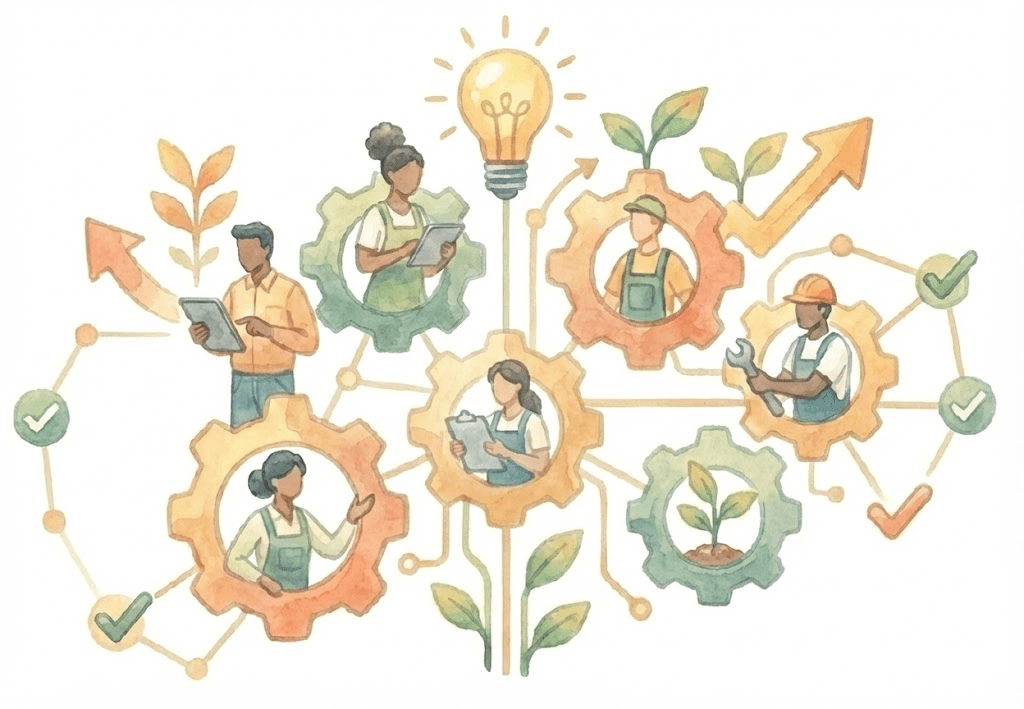
Workforce re-imagination
Workforce re-imagination

Positioning Global Use Cases Inside the Framework
SET OF INSTRUCTIONS TO VIEW THE MAP:
Scroll to zoom in; drag across to explore the map.
Pointers mark use cases across different countries.
View the map in two modes: Country-wise & Sector-wise.
To learn more, click a pointer. A panel will open on the left side with full details.
Scroll in the panel to read the complete use case information.
Positioning Global Use Cases Inside the Framework
SET OF INSTRUCTIONS TO VIEW THE MAP:
Scroll to zoom in; drag across to explore the map.
Pointers mark use cases across different countries.
View the map in two modes: Country-wise & Sector-wise.
To learn more, click a pointer. A panel will open on the left side with full details.
Scroll in the panel to read the complete use case information.
Positioning Global Use Cases
Inside the Framework
SET OF INSTRUCTIONS TO VIEW THE MAP:
Scroll to zoom in; drag across to explore the map.
Pointers mark use cases across different countries.
View the map in two modes: Country-wise & Sector-wise.
To learn more, click a pointer. A panel will open on the left side with full details.
Scroll in the panel to read the complete use case information.
Country - wise Use Cases
Sector - wise Use Cases
Country - wise Use Cases
Sector - wise Use Cases
Who is This Framework For?
Who is This Framework For?

Public Institutions
Public Institutions
to spot emerging AI use cases, fix common hurdles, and plan joint action.
to spot emerging AI use cases, fix common hurdles, and plan joint action.

Researchers and Civil society
Researchers and Civil society
to study what works in AI adoption and inform evidence-based policy.
to study what works in AI adoption and inform evidence-based policy.

Philanthropies and Enablers
Philanthropies and Enablers
to fund and support key system gaps like compute, evaluation, and talent.
to fund and support key system gaps like compute, evaluation, and talent.

Tech Developers
Tech Developers
to map data, model, and other dependencies, and align on shared tools or standards.
to map data, model, and other dependencies, and align on shared tools or standards.
Spot Us in Action
Spot Us in Action
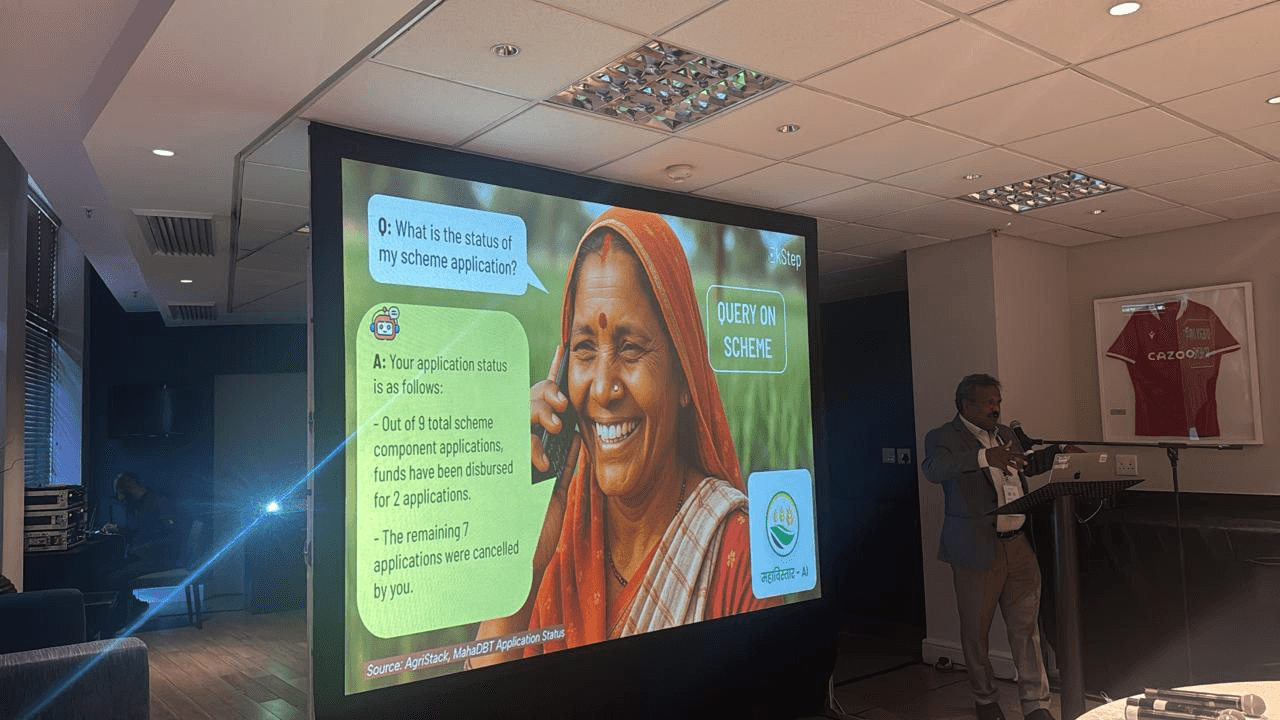

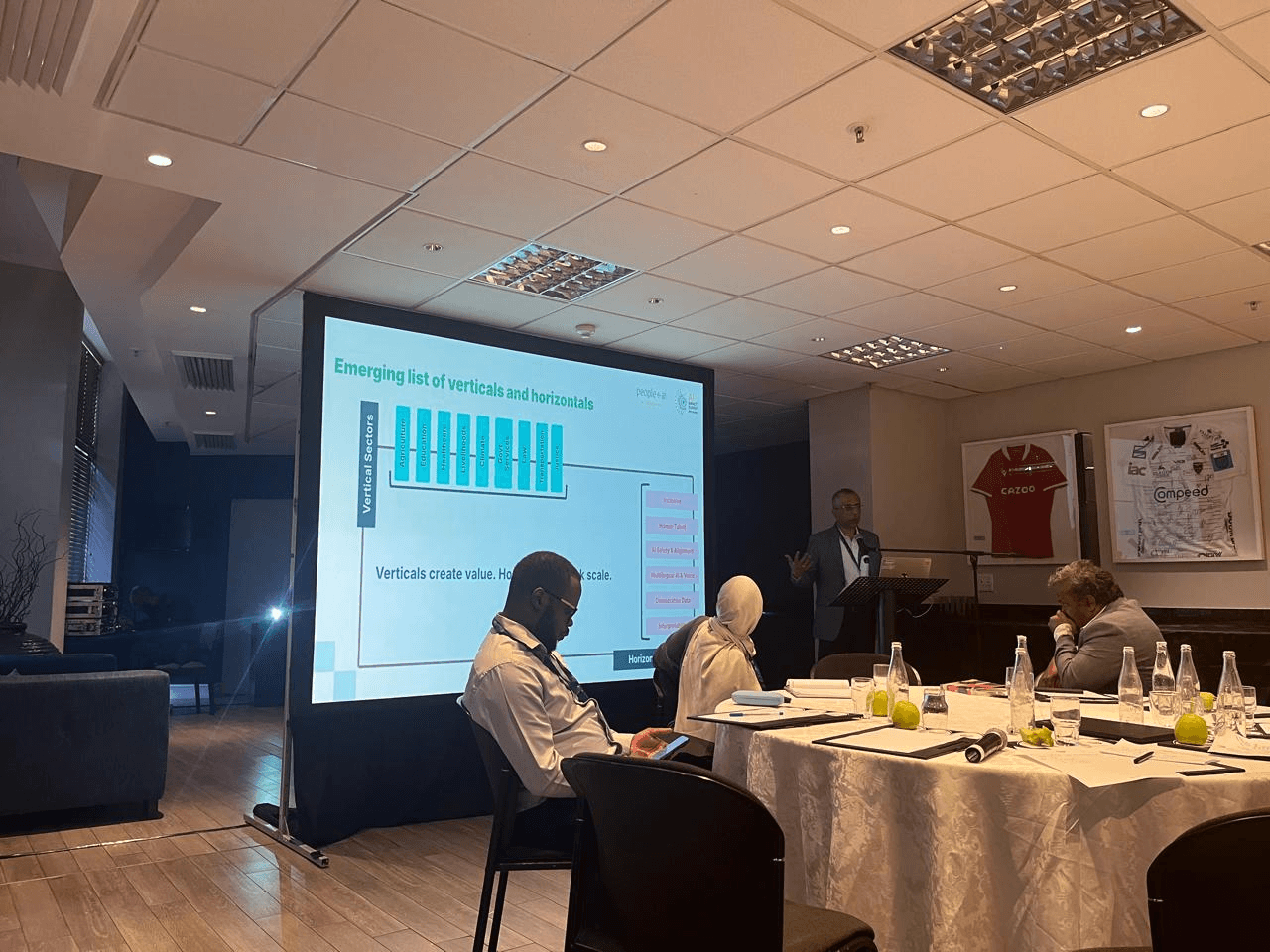
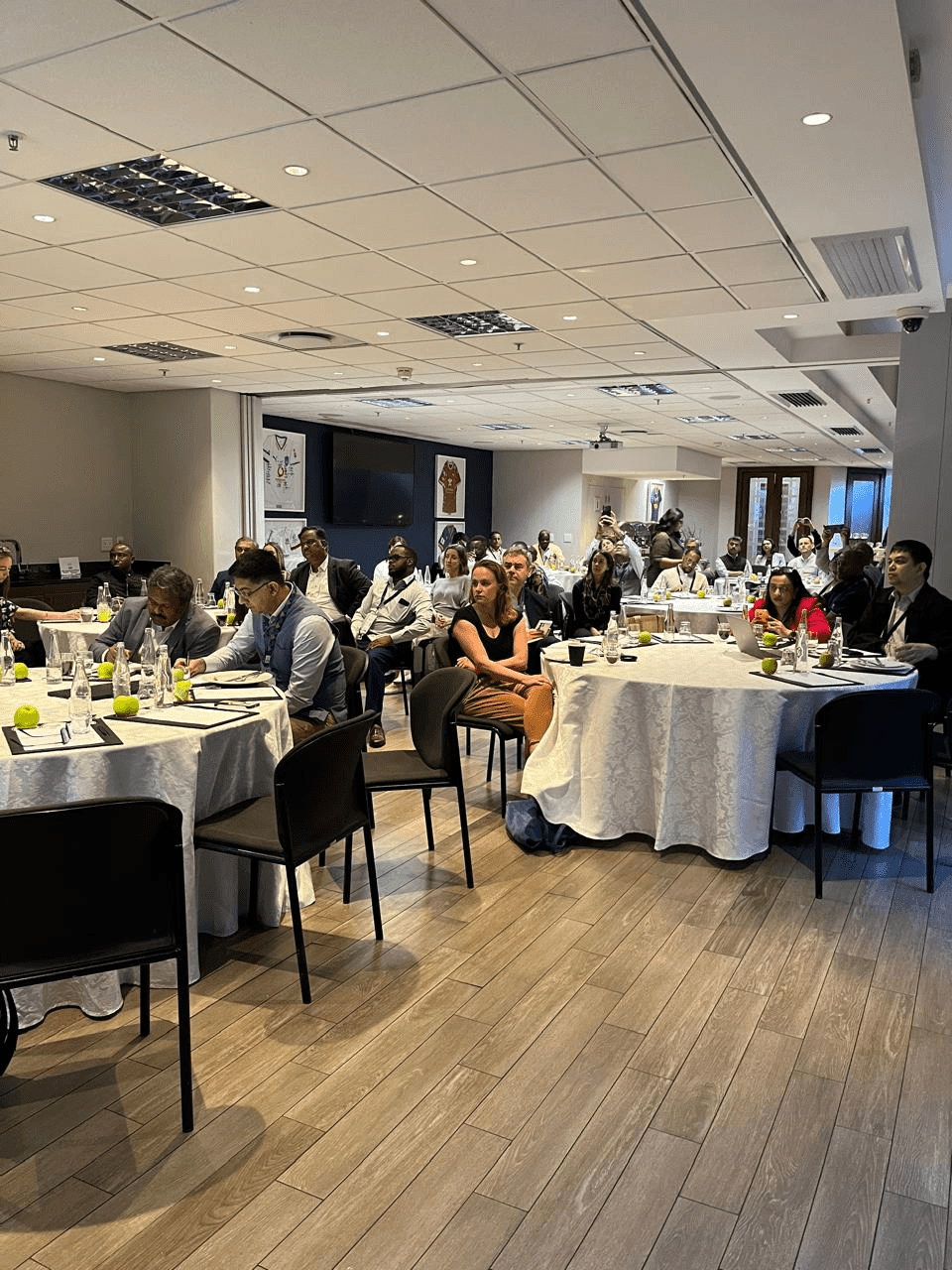
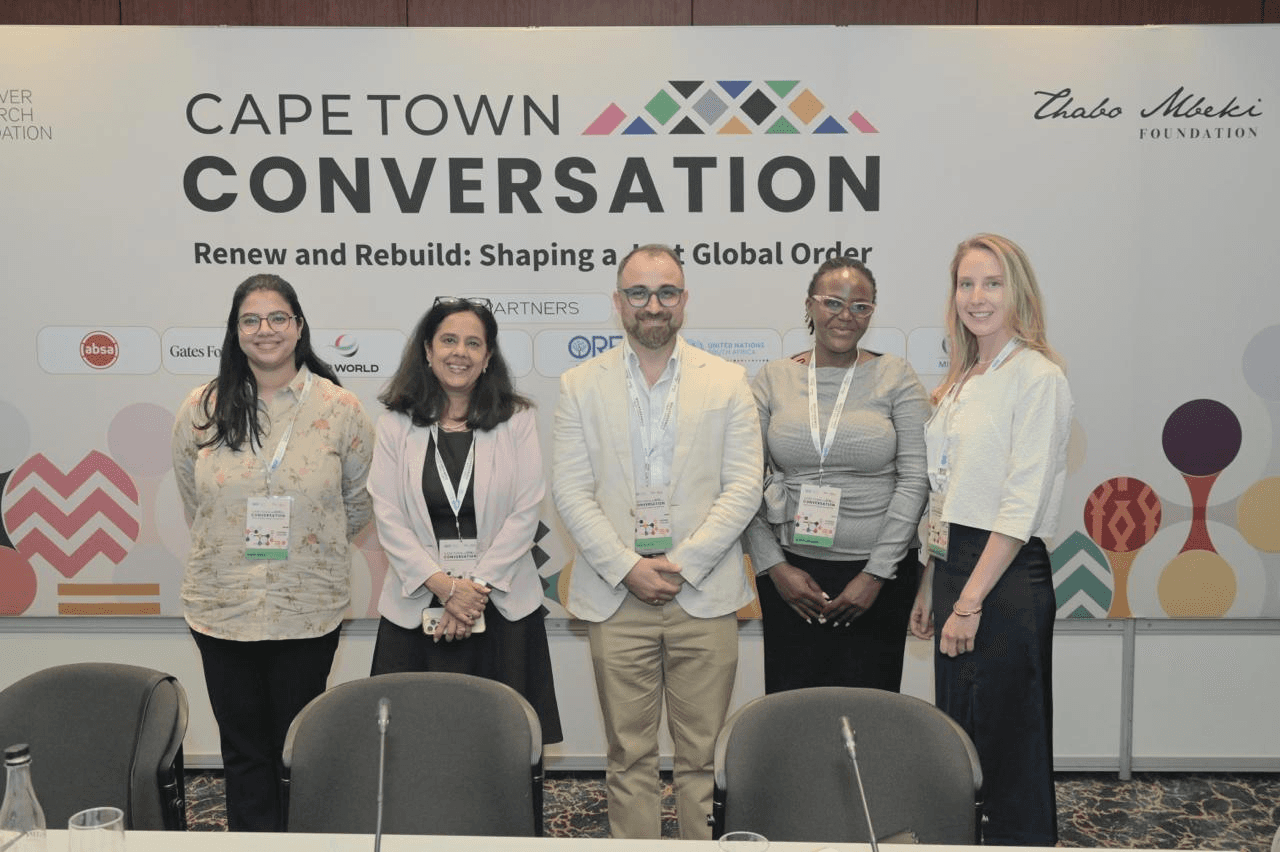
Shalini Kapoor, Chief Strategist - Data and AI, EkStep Foundation presenting UCAF at Cape Town Conversation, 2025
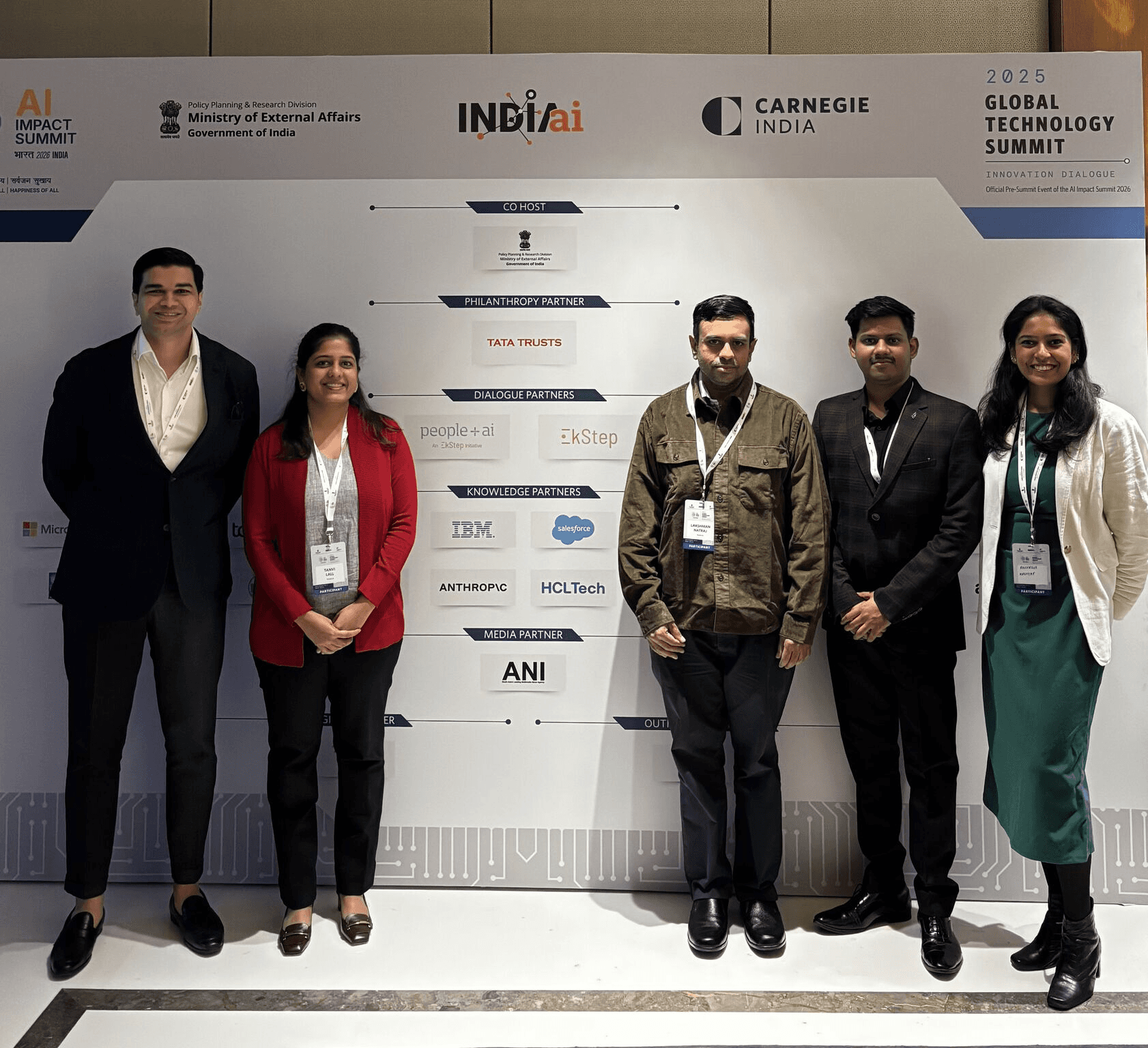
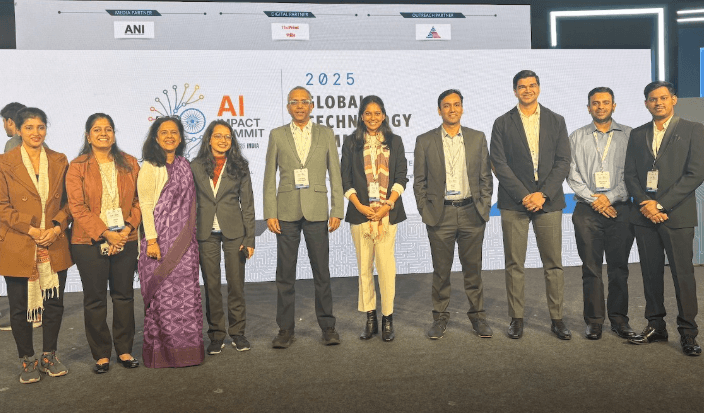
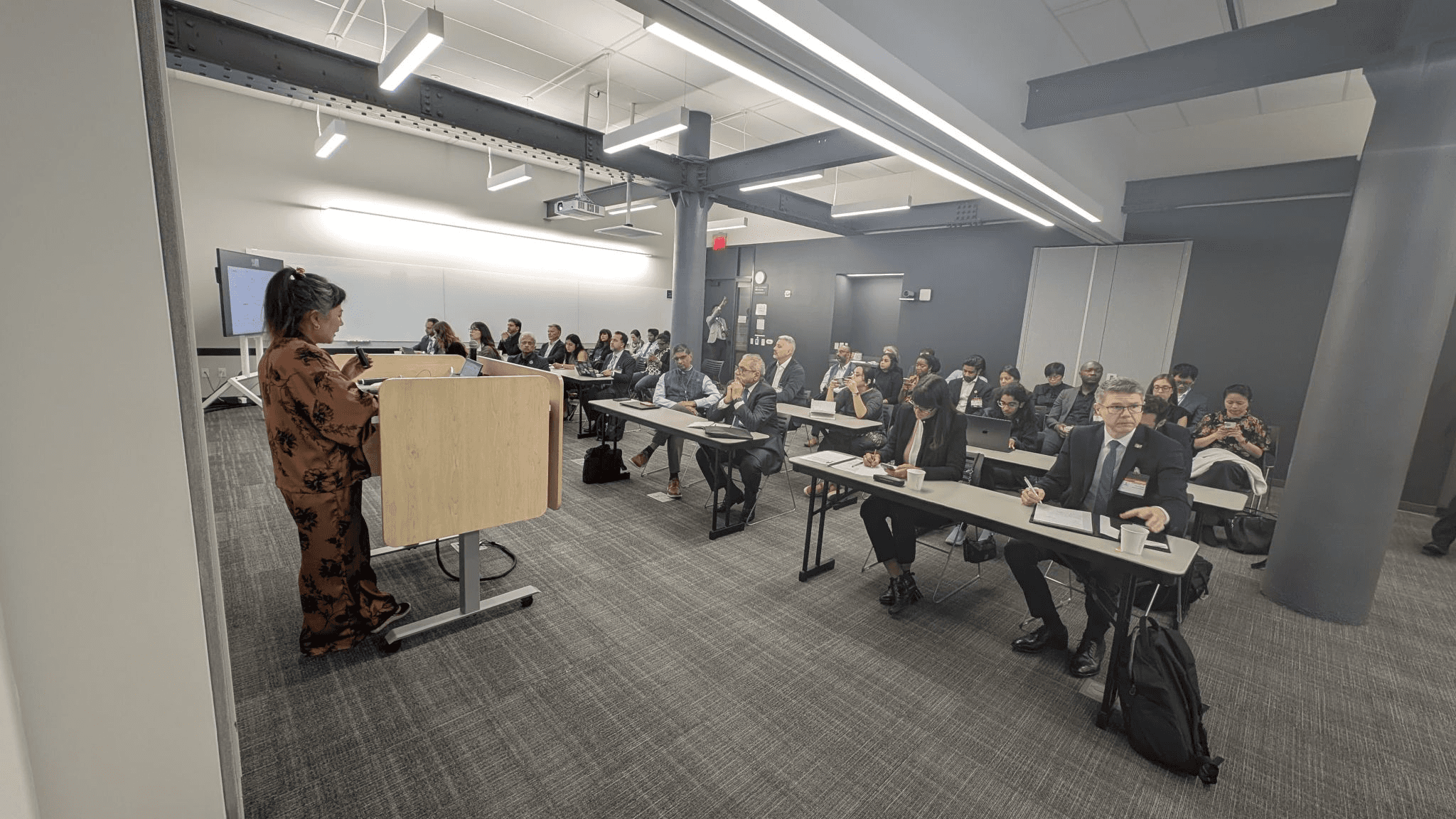
Keyzom Ngodup Massally, UNDP talking about how scalable AI for Good needs strong building blocks at UNGA Week, New York
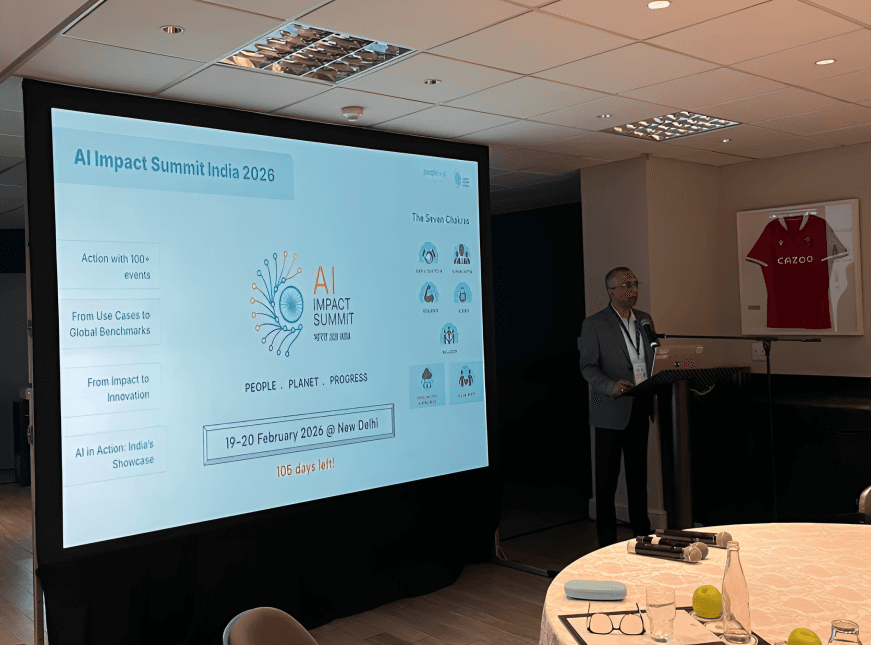
Shankar Maruwada, CEO, EkStep Foundation presenting the framework at DPI Summit, Cape Town